December 30, 2025
Forests are complex ecosystems that provide immense ecological, economic, and cultural value. The health of these ecosystems is crucial not only for biodiversity but also for the sustenance of human communities. Loggers play a significant role in maintaining forest health through sustainable practices that balance economic needs with ecological responsibilities. This article explores how loggers contribute to forest health, focusing on sustainable practices, economic impacts, and the challenges they face in balancing conservation with resource utilization. By understanding these dynamics, we can better appreciate the essential role of loggers in preserving forests.
1. Understanding Forest Ecosystems and Their Dynamics
Forest ecosystems are some of the most diverse environments on Earth, hosting a wide range of species from trees to microorganisms. This biodiversity creates intricate ecological interactions that maintain balance and resilience. Understanding these interactions is crucial for sustainable forest management. Loggers contribute to this understanding by observing growth patterns, monitoring species health, and applying knowledge to maintain forest structure and composition. They ensure that interventions, such as selective tree removal, enhance rather than disrupt ecosystem functions.
Natural disturbances such as wildfires, storms, and insect outbreaks are vital to forest regeneration. Loggers can incorporate insights from these natural processes to guide sustainable practices. For instance, controlled logging can emulate selective clearing, promoting growth of diverse age classes and species. According to the DGB Group, nearly 75 million acres of reserved forests remain unmanaged for timber harvest, highlighting the importance of designating conservation areas alongside production forests. By balancing management and conservation, loggers ensure forests remain resilient and ecologically functional.
2. Sustainable Practices Employed by Loggers
Sustainable logging practices are essential for balancing economic needs with forest conservation. Techniques such as selective cutting, reduced-impact logging, and careful road construction allow for timber extraction while preserving soil, water, and wildlife habitats. Loggers plan operations to minimize environmental disturbance, ensuring that forest ecosystems can regenerate naturally. This approach maintains biodiversity, prevents erosion, and protects streams and wetlands.
Modern logging often relies on technology to enhance sustainability. Drones, GIS mapping, and precision machinery help loggers monitor forest conditions, plan harvests, and execute operations with minimal disruption. These tools allow for accurate assessment of tree health, terrain, and ecological features, reducing damage to non-target species. By combining traditional knowledge with advanced technology, loggers can maximize efficiency while safeguarding forest resources for future use.
3. Selective Cutting and Forest Regeneration
Selective cutting focuses on removing specific trees based on species, size, or health while leaving the surrounding forest intact. This method promotes regeneration by maintaining canopy cover, providing seeds for new growth, and reducing competition. By preserving mature and diverse trees, selective cutting supports habitat quality, biodiversity, and ecosystem stability. Loggers practicing selective harvesting maintain the structural complexity of forests, which is crucial for the survival of many species.
The ecological benefits of selective cutting extend to soil preservation and nutrient cycling. By avoiding large-scale clear-cutting, loggers protect the forest floor and minimize erosion. Canopy retention helps regulate microclimates, moisture levels, and light availability, fostering optimal conditions for young trees. This approach also allows natural processes, such as decomposition and seed dispersal, to continue uninterrupted. Over time, these methods contribute to the resilience and long-term productivity of forest ecosystems.
4. Tools and Technology Supporting Modern Logging
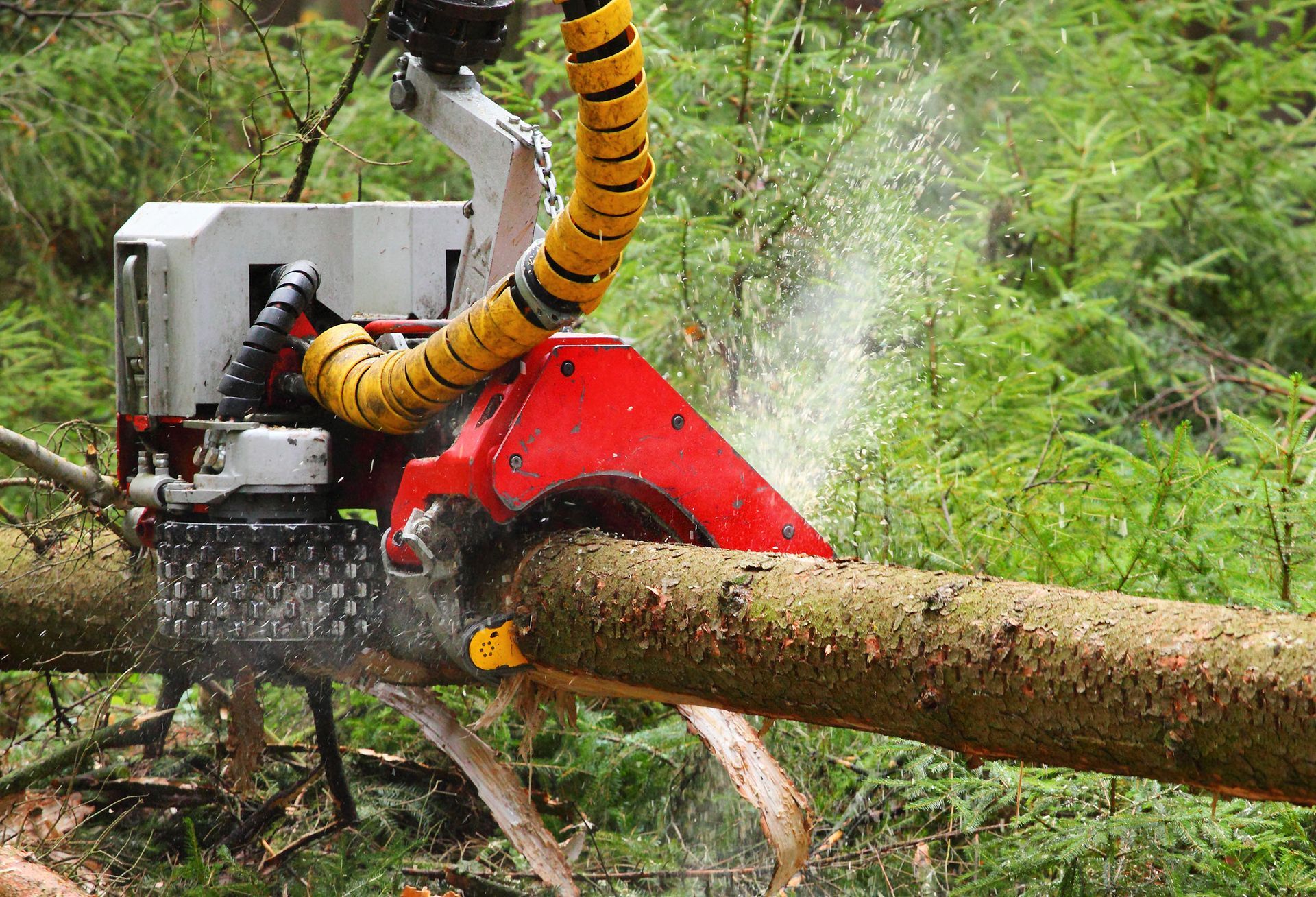
Modern loggers use a range of advanced tools and technology to increase efficiency and minimize environmental impact. Harvesters, forwarders, and precision cutting equipment reduce damage to surrounding vegetation while allowing for selective tree removal. Computer-aided planning and GIS mapping enable loggers to design access routes and harvesting operations that protect sensitive habitats and reduce soil disturbance.
Drones and remote sensing technologies provide real-time monitoring of forest conditions, allowing loggers to make informed decisions about tree selection, road placement, and site rehabilitation. These technologies enhance safety, reduce operational risks, and improve the accuracy of logging activities. By integrating technology with field expertise, loggers maintain forest health while optimizing productivity.
5. Economic Significance of Professional Loggers
Loggers provide substantial economic benefits to rural and local communities. The logging industry generates jobs, supports ancillary sectors, and contributes to infrastructure development. Employment opportunities range from forest management and timber harvesting to transportation, equipment maintenance, and administrative roles. These positions offer competitive wages and support local economies through spending and taxation.
Beyond direct employment, logging stimulates local businesses and supports industries involved in processing, manufacturing, and retail of timber products. This economic ecosystem ensures communities dependent on forestry thrive while maintaining forest resources. Professional loggers provide expertise that sustains this economic balance, combining ecological knowledge with operational efficiency to benefit both people and forests.
6. Forest Protection and Risk Mitigation
Loggers actively contribute to forest protection by managing risks such as disease, invasive species, and fire hazards. Through careful monitoring and maintenance, they help prevent outbreaks that can devastate forests. Controlled harvesting and removal of weakened or dead trees reduce fuel for wildfires and limit the spread of pathogens. These preventative measures safeguard both managed and surrounding forest areas, maintaining ecosystem integrity.
7. Contribution to Reforestation and Habitat Restoration
Loggers often participate in reforestation projects, planting trees to replace those harvested and enhance carbon sequestration. These efforts restore habitats for wildlife, improve soil quality, and maintain biodiversity. By carefully selecting species and planting locations, loggers support ecosystem balance and resilience, ensuring forests regenerate effectively after harvesting activities.
Habitat restoration projects may also include invasive species management, wetland rehabilitation, and soil stabilization. Professional loggers coordinate these initiatives with conservation agencies and community organizations, combining technical expertise with ecological knowledge. Through such efforts, loggers actively enhance forest ecosystems, supporting wildlife populations and ensuring that forests continue to provide critical environmental services.
8. Community Engagement and Education
Loggers engage with communities to promote awareness of sustainable forestry and responsible resource use. Educational programs, workshops, and demonstrations provide insights into the importance of forest management and the role of professional loggers. By sharing knowledge, loggers foster understanding and support for sustainable practices among local residents, students, and stakeholders.
Community involvement also includes collaboration on conservation projects, recreational area maintenance, and fire prevention initiatives. These partnerships strengthen relationships between loggers and local populations, building trust and demonstrating commitment to environmental stewardship. By participating in community outreach, professional loggers showcase the benefits of responsible forestry, inspiring future generations to value and protect forests.
9. Ensuring Safety and Professional Standards
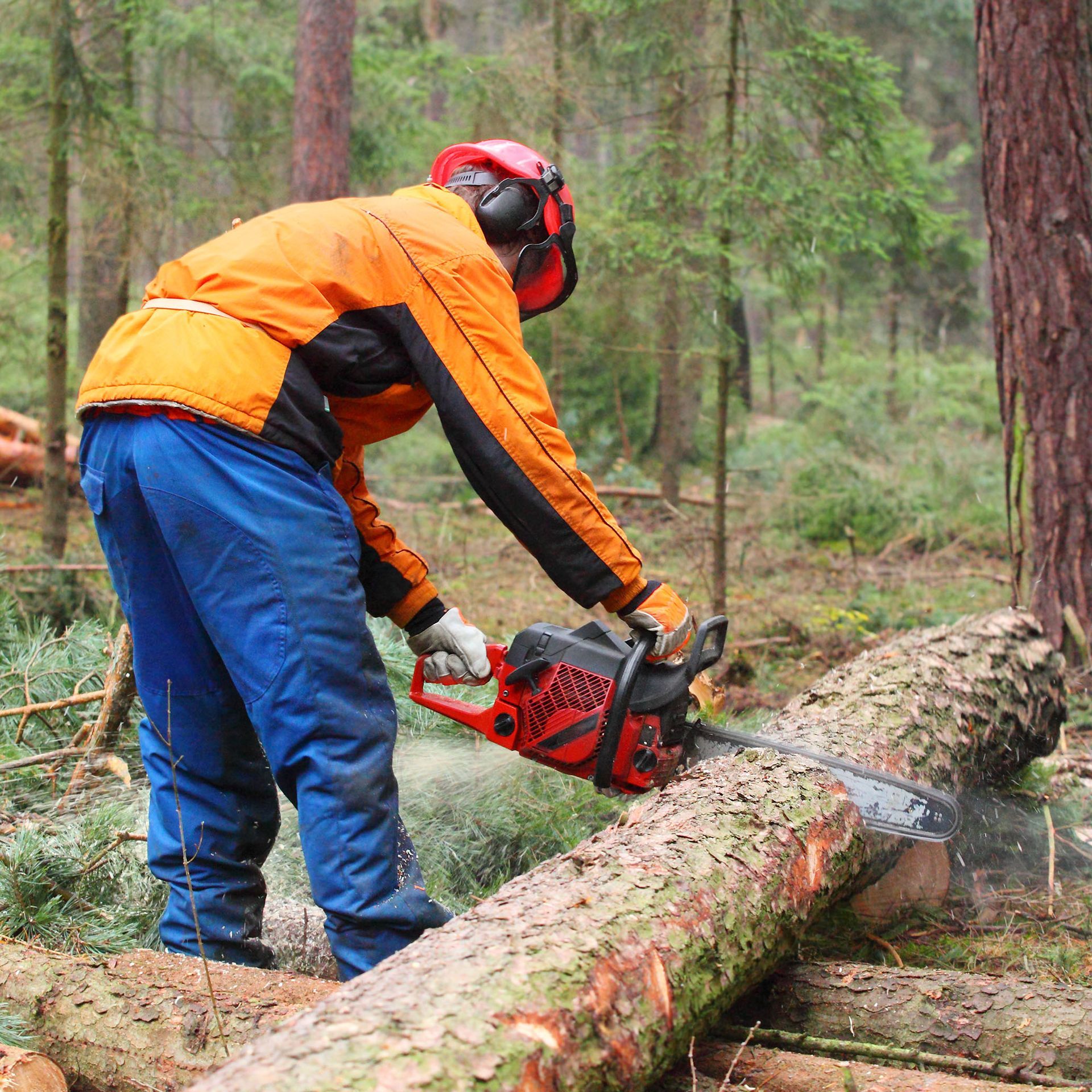
Safety is a paramount concern in logging, with professional loggers adhering to strict protocols to protect workers and the environment. Proper training, equipment maintenance, and adherence to industry standards reduce the risk of accidents and environmental damage. Safety guidelines also include strategies for operating machinery, handling hazardous materials, and navigating challenging terrains.
Professional standards extend to ethical practices, regulatory compliance, and environmental responsibility. By maintaining high standards, loggers ensure that operations are conducted responsibly, with minimal negative impact on ecosystems. This dedication to professionalism safeguards both the workforce and the surrounding forests, reinforcing trust in the logging industry and its ability to manage resources sustainably.
10. Future Trends and Sustainable Development
Advancements in technology, policy, and sustainable practices continue to shape the future of logging. Innovations such as precision forestry, automated machinery, and data-driven management tools improve efficiency and minimize ecological impacts. Sustainability standards and certification programs ensure that forest resources are harvested responsibly, balancing economic and environmental needs.
Emerging trends include integrating renewable energy, enhancing carbon sequestration projects, and promoting community-based forest management. Professional loggers are at the forefront of implementing these developments, ensuring that logging operations align with broader environmental goals. These trends support long-term forest health, economic stability, and societal benefits, highlighting the evolving role of loggers in sustainable forest management.
Professional loggers actively participate in education, community outreach, and conservation projects, promoting awareness of sustainable forestry. They exemplify best practices, demonstrating that responsible logging is compatible with ecological stewardship. By choosing skilled loggers, forest owners and managers ensure the continued productivity, resilience, and health of their forests. For those seeking expert logging services, Thornton Logging offers unmatched expertise in sustainable forest management, combining ecological responsibility with operational excellence to preserve forests for generations.