November 4, 2025
Forests are vital ecosystems that sustain biodiversity, regulate the climate, and support livelihoods. Responsible logging ensures timber is harvested sustainably while maintaining ecological balance. According to the Forest Service, the nation needs to grow its timber stock to 20,000 million cubic feet per year, highlighting the urgency of sustainable forest management. In contrast to historical clear-cutting and overexploitation, modern responsible practices focus on maintaining soil health, protecting water sources, and preserving wildlife habitats. This thoughtful approach allows forests to continue providing essential ecosystem services while supporting economic and social needs.
Responsible Logging and Its Key Principles
Responsible logging involves harvesting timber in ways that protect forest health and guarantee future resource availability. It focuses on long-term sustainability through strategic planning, selective harvesting, and reforestation. By using techniques that minimize environmental disturbance, responsible loggers maintain biodiversity and prevent erosion. These principles ensure that forest ecosystems remain productive and resilient, allowing regrowth to occur naturally. Unlike exploitative methods, responsible logging balances environmental preservation with the demands of timber production, creating a sustainable cycle that benefits both nature and industry.
In addition, responsible logging relies on careful assessment of forest conditions before any trees are removed. Foresters evaluate soil quality, wildlife habitats, and regeneration potential to ensure that harvesting does not exceed the forest’s ability to recover. This process includes identifying sensitive areas—such as wetlands or steep slopes—that must remain undisturbed to maintain ecological stability. These precautionary measures help preserve essential ecosystem functions and sustain the forest’s long-term productivity.
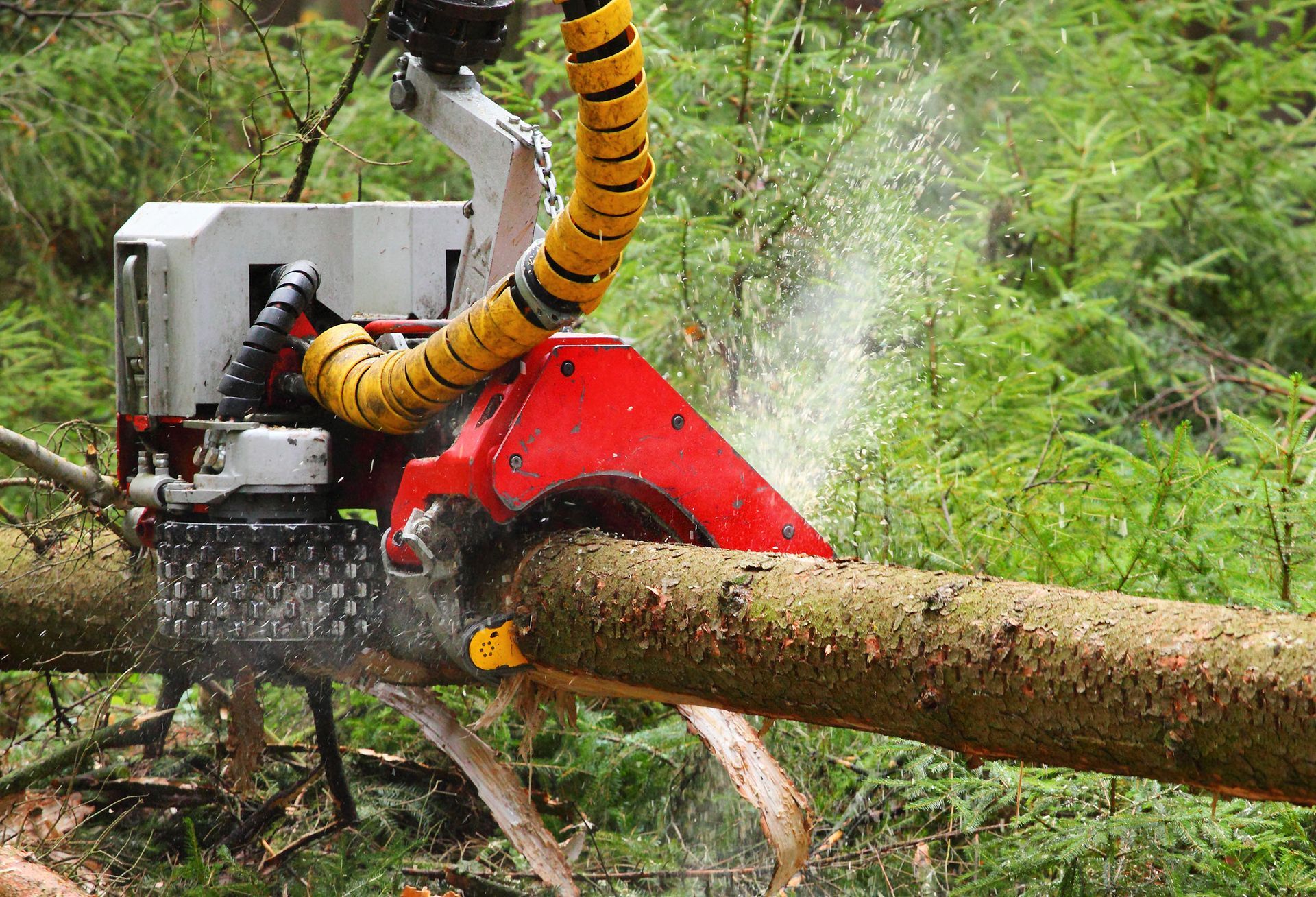
Modern responsible logging also incorporates innovative technologies to further minimize environmental impact. GPS mapping, drone surveys, and digital forest inventories allow for precise planning and monitoring of every phase of logging operations. These tools enable foresters to optimize harvest routes, reduce waste, and ensure compliance with sustainability standards. By embracing such advancements, the industry continues to evolve toward smarter, cleaner, and more efficient practices that align with both environmental and economic goals.
Environmental Benefits and Carbon Stewardship
When performed responsibly, logging can enhance environmental health rather than diminish it. By preventing overharvesting and maintaining continuous canopy cover, forests retain their ability to act as carbon sinks. This means they absorb more carbon dioxide than they emit, helping mitigate the effects of climate change. Sustainable methods such as selective thinning and reduced-impact harvesting preserve root structures, stabilize soil, and reduce sediment runoff into waterways. These measures protect water quality, promote faster regeneration, and ensure forests remain powerful tools in global carbon management efforts.
Responsible logging also plays a critical role in maintaining biodiversity by protecting the habitats of countless plant and animal species. When foresters carefully plan harvests, leaving seed trees and wildlife corridors intact, ecosystems continue to thrive. These practices allow species to migrate, reproduce, and adapt within their natural environments, fostering resilient forests capable of withstanding environmental stressors. In this way, logging becomes a management tool that enhances the forest’s ecological balance rather than disrupting it.
Furthermore, responsible logging supports healthier forests by reducing the accumulation of deadwood and overgrowth that can fuel wildfires. Controlled thinning allows sunlight to reach the forest floor, promoting the growth of new vegetation and encouraging stronger, more diverse ecosystems. These practices not only mitigate fire risks but also improve air quality and protect nearby communities from the devastating effects of uncontrolled wildfires. Through thoughtful management, logging can contribute to a cleaner, safer, and more sustainable environment for generations to come.
Economic Advantages and Industry Stability
Responsible forest management contributes directly to economic stability and community development. Sustainable practices ensure that timber supplies remain consistent, preventing the boom-and-bust cycles associated with overexploitation. By replanting and maintaining harvested areas, the timber industry creates a renewable resource base that supports jobs and local economies for generations. Moreover, eco-certified lumber from sustainable operations commands higher market value, encouraging more companies to invest in responsible practices. This alignment between environmental responsibility and profitability demonstrates that economic growth and conservation can work hand in hand within the logging industry.
In many rural regions, logging provides vital employment opportunities and sustains local businesses that depend on forestry-related activities. From sawmills and transportation to equipment maintenance and reforestation crews, the industry fuels diverse sectors of the economy. Communities that prioritize responsible forest management often experience steady income streams, improved infrastructure, and stronger regional identities built around stewardship and sustainability. This economic resilience helps small towns thrive while reducing dependence on outside industries.
Additionally, responsible logging practices attract investment and support from government agencies and environmental organizations. By meeting sustainability standards and obtaining certifications such as those from the Forest Stewardship Council (FSC), logging operations gain access to broader markets and long-term partnerships. These collaborations often lead to advancements in technology, workforce training, and forest restoration efforts. As a result, responsible forest management not only safeguards natural resources but also strengthens economic and social frameworks, ensuring that forests continue to provide both ecological and financial benefits well into the future.
Social and Cultural Benefits of Sustainable Forestry
Forests hold deep cultural, spiritual, and economic importance for many communities, particularly Indigenous peoples. Responsible logging respects these relationships by incorporating traditional ecological knowledge and community input into forest management decisions. This collaboration promotes transparency, strengthens trust, and ensures that local populations share in the benefits of sustainable resource use. It also helps protect cultural heritage sites and traditional livelihoods tied to the forest. Beyond economics, responsible logging contributes to social well-being by fostering education, conservation awareness, and fair-trade practices that emphasize ethical sourcing and equitable partnerships.
Challenges in Responsible Logging Implementation
Despite its clear benefits, responsible logging faces significant obstacles, including regulatory inconsistencies, illegal harvesting, and limited access to modern technology. Weak enforcement of environmental laws can allow unsustainable practices to persist, especially in remote areas. Economic pressures also tempt some operators to prioritize short-term gains over long-term sustainability. Strengthening policy frameworks, offering tax incentives for certified sustainable operations, and investing in new technologies are critical to overcoming these challenges. Climate change further complicates forest management, requiring adaptive strategies to protect ecosystems from fires, pests, and extreme weather events.
Strategies for a Sustainable Future
Ensuring the future of responsible forest management requires a multifaceted approach. Widespread adoption of sustainability certifications like the Forest Stewardship Council (FSC) promotes transparency and global accountability. Research and innovation play vital roles, enabling the development of precision forestry tools that minimize ecological impact. Collaboration among governments, businesses, and communities ensures that forest management practices are inclusive and effective. By implementing forward-thinking policies and fostering education, the industry can achieve both environmental protection and economic prosperity. These efforts collectively strengthen the foundation for a sustainable logging future.
Responsible logging is essential for preserving the world’s forests while supporting human progress. It safeguards biodiversity, stabilizes local economies, and upholds cultural values rooted in nature. By addressing challenges through innovation, policy reform, and collaboration, society can ensure forests continue to thrive for future generations. Sustainable forest management not only protects ecosystems but also enhances the resilience of communities and industries that depend on them.
For landowners and businesses seeking ethical, sustainable forestry solutions, Thornton Logging stands ready to deliver responsible logging services rooted in environmental stewardship and long-term sustainability. Contact Thornton Logging today to learn how expert management can help protect both your investment and the planet’s forests.