March 4, 2026
Understanding what your trees are truly worth is a critical step in making smart decisions about your land. Whether you are considering a harvest, planning for future income, or managing your property for long-term health, knowing how value is calculated helps you move forward with confidence.
With accurate insights in hand, landowners can reduce risk, plan strategically, and make decisions that protect both profits and forests. This article breaks down the fundamentals of timber appraisal, explaining how professionals evaluate trees and how that information can help you estimate potential profit.
Understanding Why Appraisal Matters to Landowners
What Appraisals Really Measure
A professional evaluation looks beyond surface appearances. It focuses on measurable characteristics that determine how trees perform in the marketplace. Instead of guessing, landowners receive an objective assessment that reflects real-world demand, usability, and condition. This process transforms a wooded property from an unknown asset into a clearly defined resource.
How Appraisal Supports Better Financial Decisions
Accurate valuation plays a key role in financial planning. When you understand what your timber is worth, you are better positioned to decide when to sell, how much to harvest, or whether waiting could increase future returns. Reliable numbers also strengthen your position during negotiations, helping ensure you are paid fairly for what your land produces.
The Role of Appraisal in Long-Term Planning
Timber value is not only about immediate income. Appraisals are often used for estate planning, land transfers, loans, and tax documentation. Having a professional report establishes a baseline that can be referenced years down the line, offering clarity for both personal and business decisions.
Listing Key Factors That Influence Timber Value
Tree Species and Market Demand
Different species command different prices based on how they are used. Hardwoods commonly used for flooring or furniture often carry higher values than species intended for pulp or low-grade products. Regional and national demand also play a role, meaning the same species can be worth more in one market than another.
Size, Length, and Overall Quality
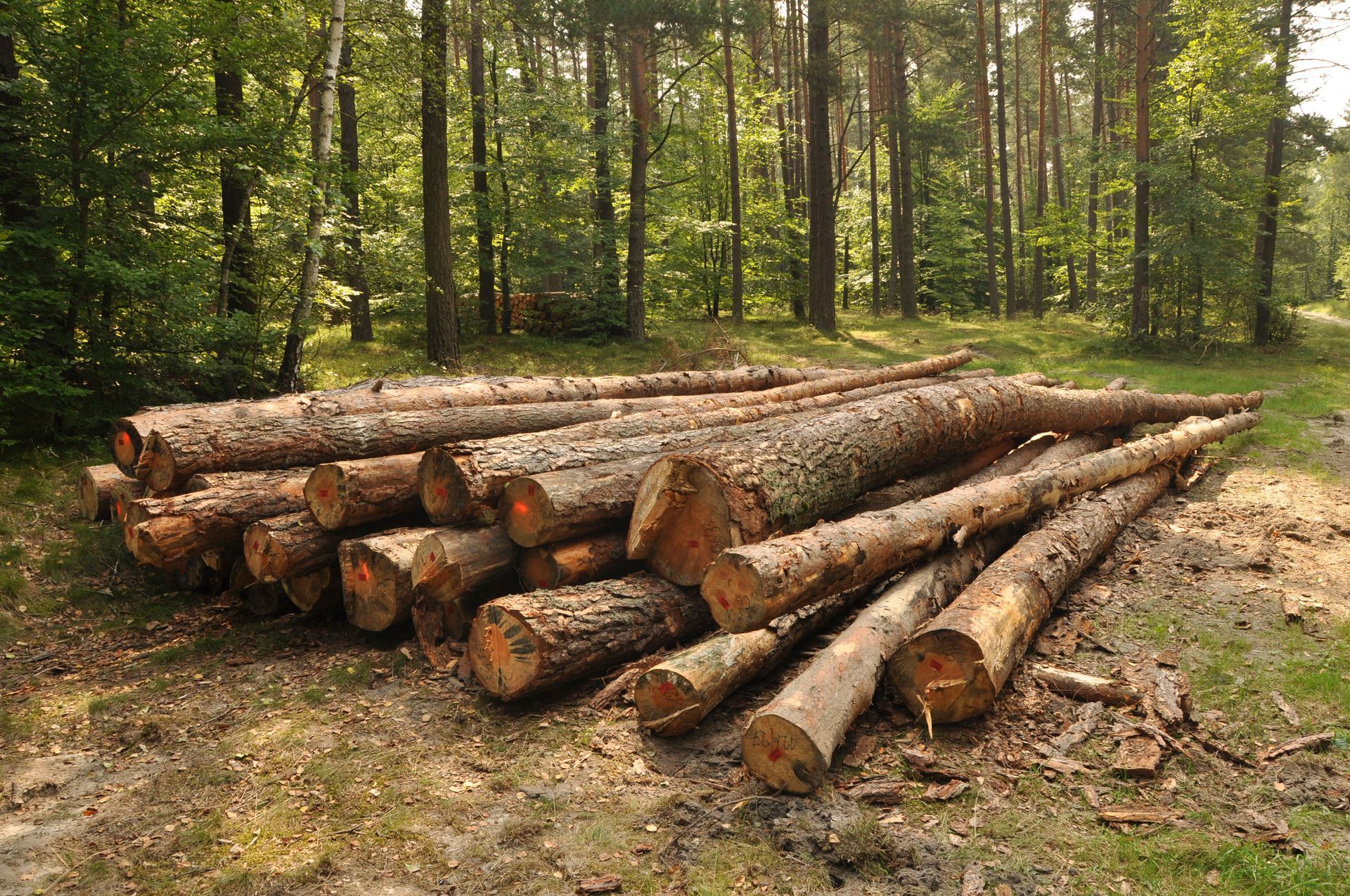
Tree dimensions directly affect value. Larger diameters and longer usable sections generally translate into higher prices because they can be milled into more versatile products. Quality also matters. Straight trunks, minimal defects, and healthy growth patterns all contribute to better grades and stronger market appeal.
How Professionals Weigh These Elements
Typically, timber pricing is shaped by species, diameter, length, and overall quality. In practice, appraisers consider these elements together rather than in isolation. A tree with ideal size but poor quality may be worth less than a slightly smaller tree with superior characteristics.
Explaining the Appraisal Process
On-Site Inspection and Data Collection
Every timber appraisal begins in the field. A trained professional walks the property to evaluate access, terrain, and forest conditions. Individual trees or sample plots are measured to gather accurate data. This hands-on approach ensures that calculations reflect actual conditions rather than estimates based on maps or aerial images alone.
Volume Estimation and Quality Assessment
Once measurements are taken, volume is calculated using established forestry methods. Appraisers then evaluate quality by looking for defects, disease, or structural issues that could affect usability. This step is crucial, as volume alone does not determine value. Quality often makes the difference between average and premium pricing.
Translating Findings Into Market Value
The final stage connects physical data with current market conditions. Prices are adjusted to reflect demand, accessibility, and harvesting considerations. The result is a clear, market-based report that shows what the timber could realistically bring if sold under normal conditions. A professional timber appraisal provides numbers that are practical, defensible, and easy to use.
Knowing How Appraisals Help Estimate Value
Comparing Gross Value and Net Returns
Understanding gross timber value is only part of the picture. Appraisals also help landowners think about costs such as harvesting, transportation, and site preparation. By comparing projected revenue with expected expenses, you gain a clearer view of potential profit rather than just the total sale price.
Timing Harvests for Better Outcomes
Markets fluctuate, and trees continue to grow. An appraisal can highlight whether harvesting now makes sense or if waiting could increase value as trees mature. According to National Timber Tax, when log prices are more stable, overall pricing adjustments generally occur within a 10% to 20% range, similar to other types of real estate, providing landowners with a clearer picture for aligning harvest decisions with financial goals and forest health.
Reducing Risk and Uncertainty
Guesswork often leads to missed opportunities or undervalued sales. A professional assessment replaces assumptions with data, reducing uncertainty. With a solid timber appraisal in hand, decisions are based on facts rather than speculation, leading to more consistent outcomes over time.
Recognizing Sustainable Forest Management in Appraisals
Balancing Profit With Long-Term Health
Responsible landowners want their forests to remain productive. Appraisals can identify selective harvesting opportunities that generate income while preserving overall stand health. This balance supports continued growth and future revenue.
Planning for Regeneration and Growth
Knowing the current value also helps predict future potential. Appraisals establish benchmarks that can be revisited as trees grow and markets change. Over time, this information supports smarter management strategies that keep forests thriving.
Supporting Environmental and Financial Goals
A well-managed forest delivers more than income. It provides habitat, improves soil stability, and enhances property value. Timber evaluations help align environmental stewardship with financial objectives, ensuring that both priorities are addressed.
Knowing When to Consider a Professional Appraisal
Preparing for a Timber Sale
Before selling, a timber appraisal gives you leverage. You know what your timber is worth, which helps you recognize fair offers and avoid underselling. This preparation often results in stronger negotiations and better overall returns.
Estate, Tax, and Property Planning Needs
Appraisals are frequently required for legal and financial documentation. Whether dividing assets, planning an estate, or working with lenders, having a formal valuation simplifies the process and provides credibility.
Evaluating Property Potential
Even if a sale is not imminent, understanding timber value helps landowners see the full potential of their property. This knowledge can influence decisions about land use, improvements, or long-term investment strategies.
Debunking Common Misconceptions About Timber Value
Why Visual Estimates Fall Short
Many landowners assume that dense or tall forests automatically equal high value. In reality, factors like species mix and quality matter more than appearance alone. Professional evaluation reveals details that are easy to miss from casual observation.
The Limits of Online Calculators
While online tools can offer rough estimates, they cannot replace on-site analysis. Without inspecting trees directly, calculators miss critical details that influence price. A hands-on approach ensures accuracy.
Understanding Market Variability
Timber markets change due to supply, demand, and economic conditions. An appraisal reflects current realities, helping landowners avoid outdated assumptions about pricing. This insight allows landowners to align selling or management decisions with conditions that can directly affect overall returns.
Understanding how trees are evaluated empowers landowners to make informed choices. A thorough timber appraisal clarifies value, supports planning, and reduces uncertainty, turning a wooded property into a well-understood asset. By examining species, size, quality, and market conditions, professionals provide insights that go far beyond surface estimates.
Whether your goal is immediate income, long-term management, or future planning, knowing the potential profit of your trees starts with accurate information. With a reliable appraisal, you can approach decisions with confidence, knowing your land's value is clearly defined and thoughtfully assessed. If you're interested in a professional timber appraisal, reach out to Thornton Logging today!