April 1, 2026
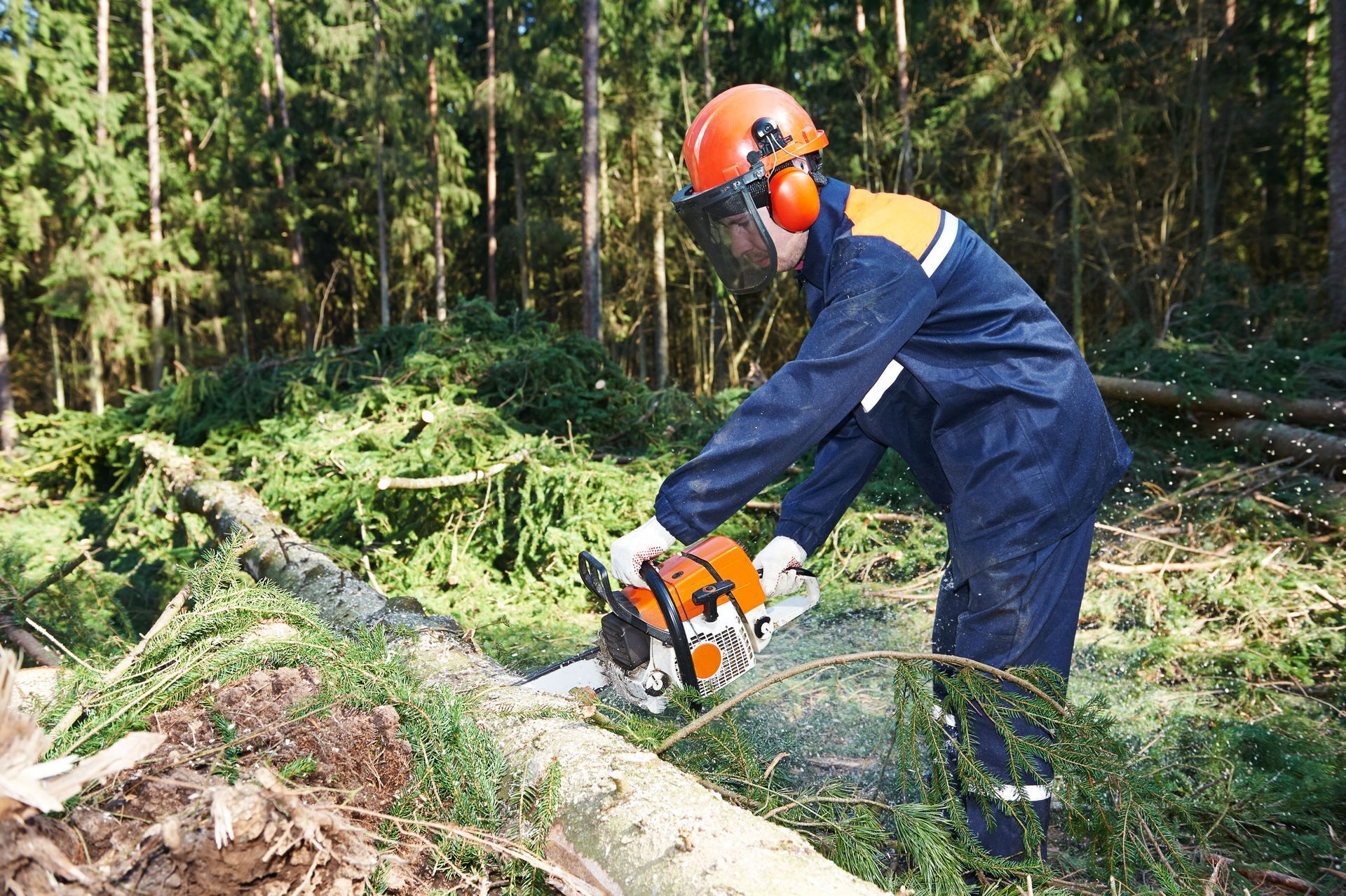
Forests are more than just collections of trees; they're complex ecosystems where plants, animals, fungi, and microorganisms coexist in delicate balance. Each element plays a role in nutrient cycling, water filtration, and carbon storage. Trees provide shade and shelter, while their roots stabilize soil and prevent erosion. Responsible logging recognizes this complexity, aiming to minimize disruption while allowing humans to utilize forest resources. By carefully planning logging operations, foresters can maintain biodiversity, protect endangered species, and ensure that forests continue to deliver vital ecological services for future generations.
The Role of Logging in Forest Management
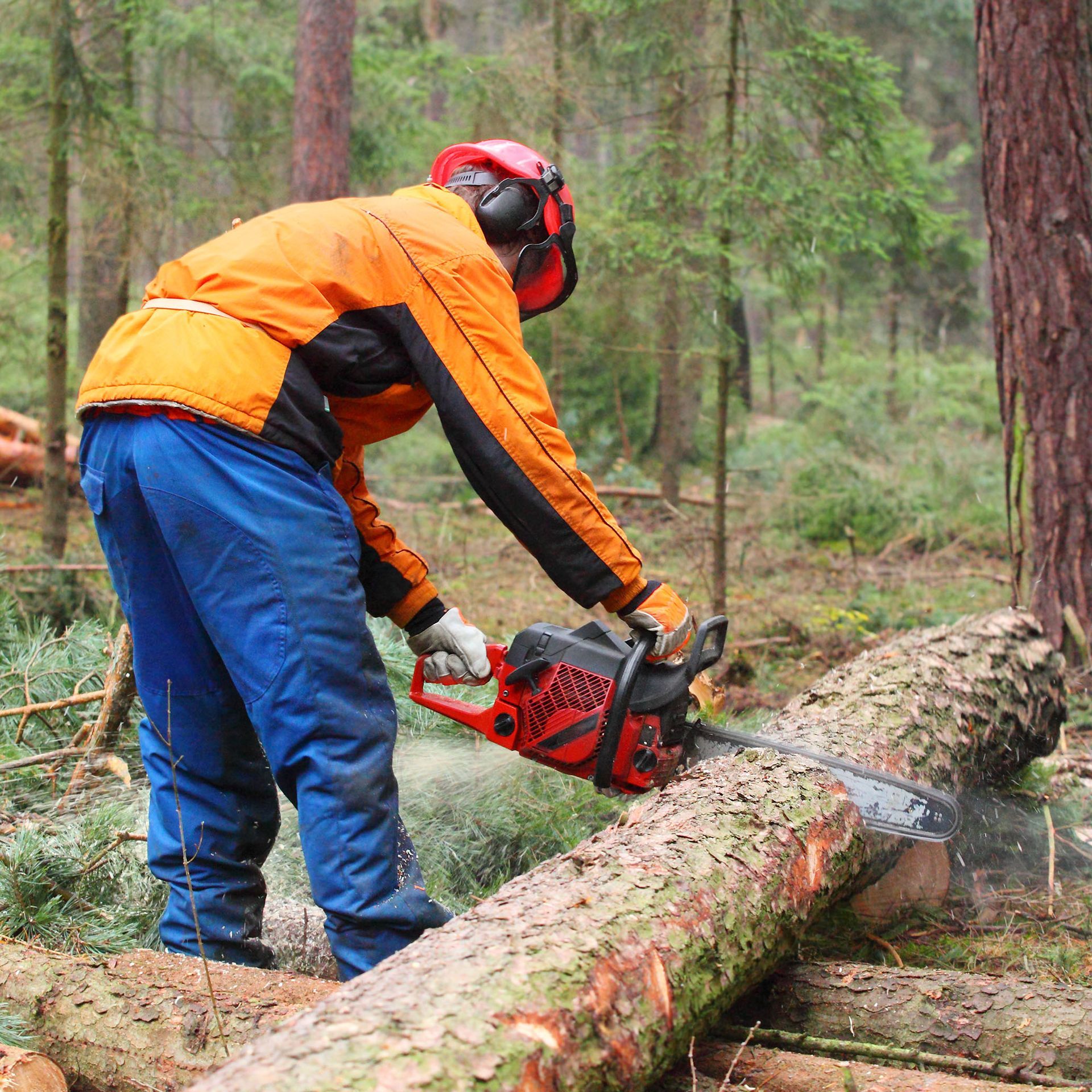
Logging is often viewed negatively, but when performed responsibly, it can be a tool for effective forest management. Selective logging, for example, removes only certain trees to reduce overcrowding and improve the growth of remaining trees. This practice can stimulate the regeneration of native species and reduce the risk of forest fires by managing fuel loads. Moreover, responsible logging helps maintain a mosaic of habitats, which is crucial for wildlife diversity. By integrating logging into a broader forest management plan, we can balance economic needs with ecological sustainability, creating forests that are both productive and healthy.
Preventing Soil Degradation
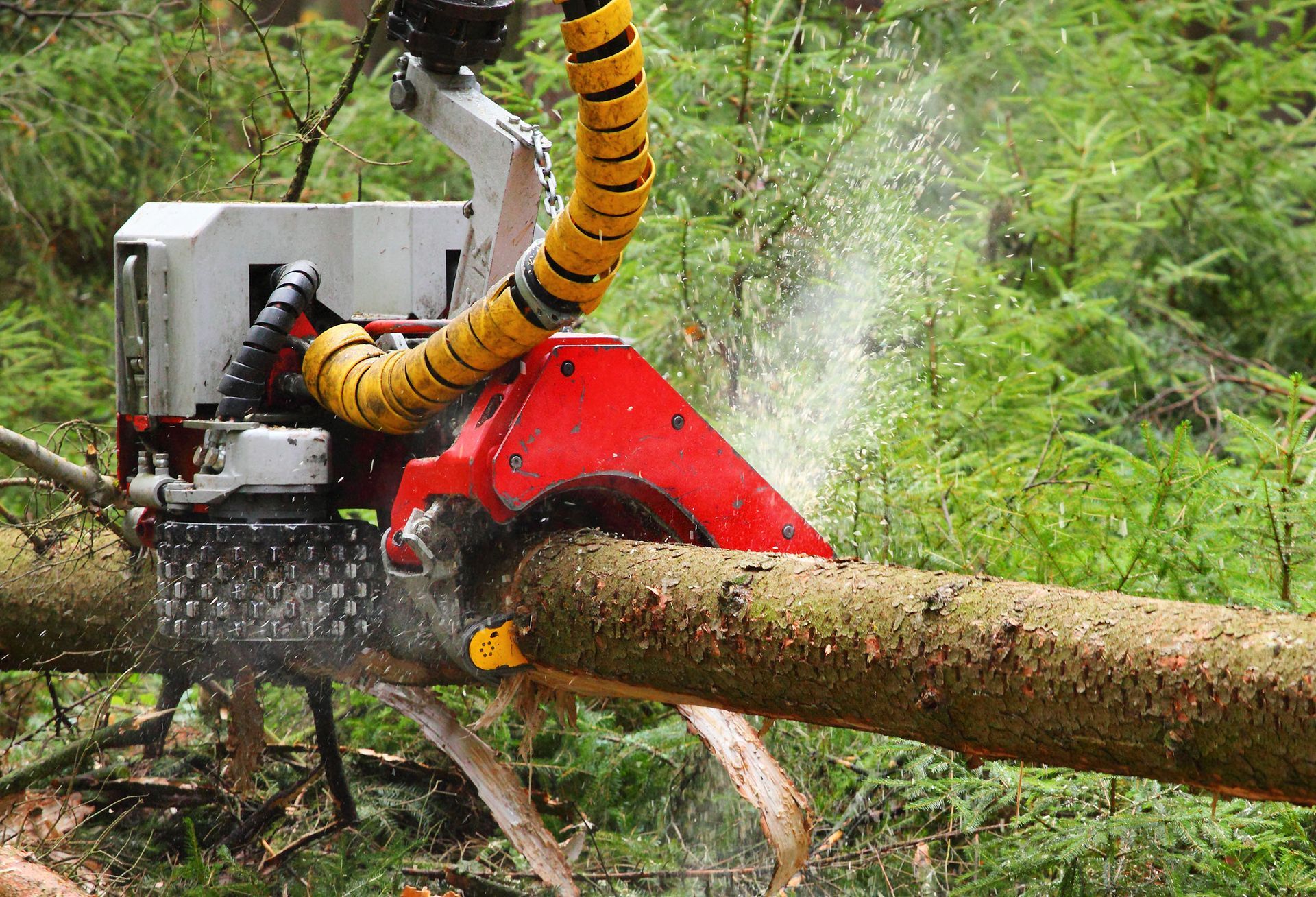
One of the key environmental concerns with logging is soil degradation. Improper practices can lead to soil compaction, erosion, and nutrient loss, which compromise the forest’s ability to regenerate. Responsible logging employs techniques such as limiting the use of heavy machinery, maintaining buffer zones near waterways, and using temporary access roads to reduce soil disturbance. These methods preserve soil structure and fertility, ensuring that young trees have the nutrients they need to grow. Healthy soil also supports microorganisms that are essential for decomposition and nutrient cycling, reinforcing the forest’s resilience over time.
Protecting Water Resources
Forests act as natural water filters, and logging can have significant impacts on water quality. Clear-cutting near streams or wetlands can lead to increased sedimentation, nutrient runoff, and changes in water temperature, affecting aquatic life. Responsible logging practices include preserving riparian buffers and avoiding logging during rainy seasons to reduce runoff. By protecting water resources, foresters help maintain healthy fish populations, clean drinking water, and stable hydrological cycles. Sustainable logging ensures that forests continue to play a vital role in the global water cycle while supporting both human and wildlife needs.
Supporting Biodiversity
Forests are home to an incredible array of species, many of which rely on specific habitats that can be disrupted by careless logging. Responsible logging techniques, such as selective harvesting and maintaining old-growth patches, help conserve critical habitats for birds, mammals, and insects. Retaining dead trees and fallen logs on the forest floor also provides shelter and food for numerous organisms. By prioritizing biodiversity, responsible logging ensures that the intricate web of life within forests remains intact, preserving ecological stability and the evolutionary potential of countless species.
Reducing Forest Fire Risks
Overgrown forests with dense underbrush are more susceptible to devastating wildfires. According to the United States Environmental Protection Agency, since 1983, the National Interagency Fire Center has documented an average of approximately 70,000 wildfires annually. Responsible logging can play a preventative role by removing excess vegetation and thinning overly dense tree stands. This reduces fuel loads, which decreases the intensity and spread of potential fires. Additionally, well-managed logging operations can create firebreaks and access routes for firefighting efforts. In this way, logging becomes a proactive tool for protecting forests and nearby communities. By carefully balancing tree removal with ecosystem preservation, forests are kept both safe and ecologically productive.
Mitigating Climate Change
Forests are major carbon sinks, absorbing significant amounts of carbon dioxide from the atmosphere. Unsustainable logging can release stored carbon, exacerbating climate change. Conversely, responsible logging focuses on maintaining continuous forest cover and supporting regrowth, which helps sequester carbon effectively. Techniques such as replanting native species and avoiding large clear-cuts allow forests to continue their role in climate regulation. Additionally, sustainably harvested timber can replace carbon-intensive materials like concrete and steel, further reducing overall greenhouse gas emissions. Logging responsibly is therefore not just about forest health—it’s a climate solution.
Supporting Local Communities
Forests provide livelihoods for millions of people worldwide. Responsible logging ensures that local communities benefit economically without compromising environmental integrity. By following sustainable forestry certifications, logging operations guarantee safe working conditions and long-term access to forest resources. This approach allows communities to rely on forests for timber, non-timber products, and ecotourism opportunities while safeguarding the ecosystem. Sustainable logging thus balances human needs with ecological responsibility, fostering both economic and environmental resilience.
Enhancing Forest Regeneration
Logging creates opportunities for forest regeneration when done thoughtfully. By removing selected trees, sunlight can reach the forest floor, promoting the growth of seedlings and understory plants. Responsible logging avoids removing keystone species or overly mature trees essential for reproduction, maintaining the forest’s natural succession. Post-logging management, such as replanting and invasive species control, ensures that the forest can recover quickly and maintain its ecological functions. This regeneration not only preserves biodiversity but also strengthens the forest’s ability to withstand environmental stresses like pests, diseases, and extreme weather events.
Economic and Environmental Balance
The key to sustainable forestry is balancing economic and ecological considerations. Responsible logging allows timber industries to thrive while minimizing negative impacts on forest ecosystems. By implementing best practices, including selective harvesting, maintaining biodiversity, and protecting soil and water, logging can become an integral part of forest stewardship. This balance ensures that forests continue to provide raw materials, recreational spaces, and ecological services for generations. The integration of economic viability with environmental responsibility sets a model for industries worldwide, showing that profit and preservation can coexist.
The Role of Policy and Certification
Government policies and independent certification programs play a crucial role in promoting responsible logging. Regulations ensure that logging companies follow sustainable practices, limit deforestation, and protect sensitive habitats. Certifications provide assurances that timber products come from responsibly managed forests; programs create market incentives for companies to prioritize ecological integrity while maintaining profitability. By supporting policies and certifications, consumers and industries contribute to forest conservation, encouraging logging operations to act responsibly and transparently in all aspects of forest management.
Public Awareness and Education
Responsible logging also depends on public awareness and education. Informing communities about the benefits of sustainable forestry, the consequences of deforestation, and the importance of biodiversity can drive demand for responsibly sourced products. Educational programs for workers, local leaders, and consumers help ensure that logging practices align with ecological and social standards. By fostering a culture of responsibility, society can support forest management strategies that protect ecosystems, enhance community well-being, and mitigate climate impacts. Knowledge empowers people to make choices that favor long-term forest health over short-term gains.
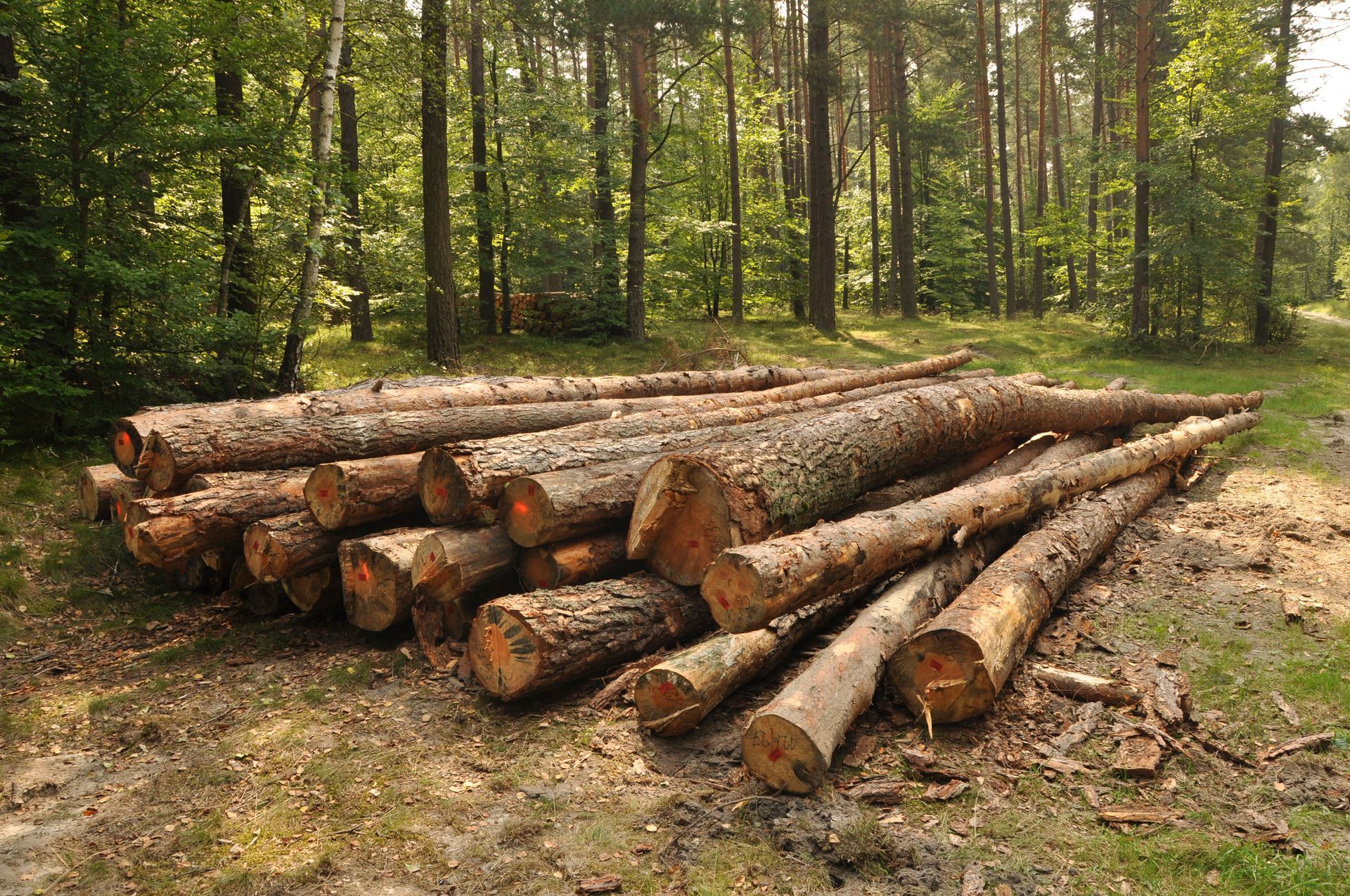
Forests are invaluable resources that sustain life, regulate climate, and provide economic opportunities. Responsible logging ensures that these ecosystems remain healthy, resilient, and productive. Through careful planning, sustainable harvesting, and ongoing regeneration efforts, logging can coexist with forest conservation. Protecting soil, water, and biodiversity, mitigating fire risks, and supporting local communities are all part of this holistic approach. Ultimately, responsible logging is an essential practice for the stewardship of our forests, allowing humanity to meet present needs without compromising the health of future generations and the ecosystems upon which we all depend. Contact our team at Thornton Logging, serving Cumberland County, IL and the surrounding areas, today to learn more about our logging services!