September 3, 2026
Modern timber production requires a constant balancing act between meeting commercial demand and preserving complex forest ecosystems. Professional logging contractors operate at the center of this dynamic, managing timber extraction while safeguarding soil, water, and wildlife resources. Navigating economic demands alongside environmental conservation mandates strategic planning, technical skill, and adherence to evolving regulations.
Examine Operational Scope
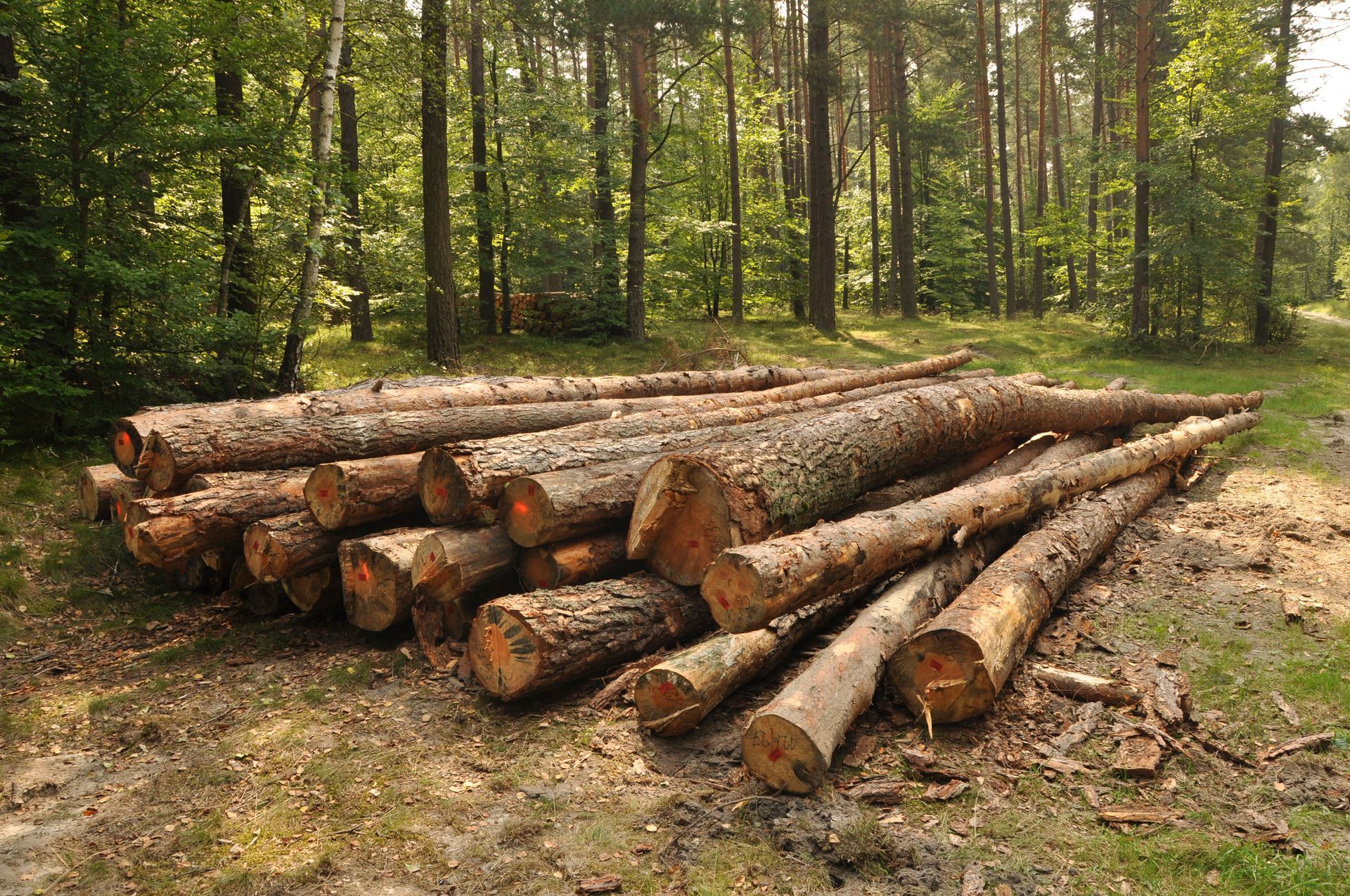
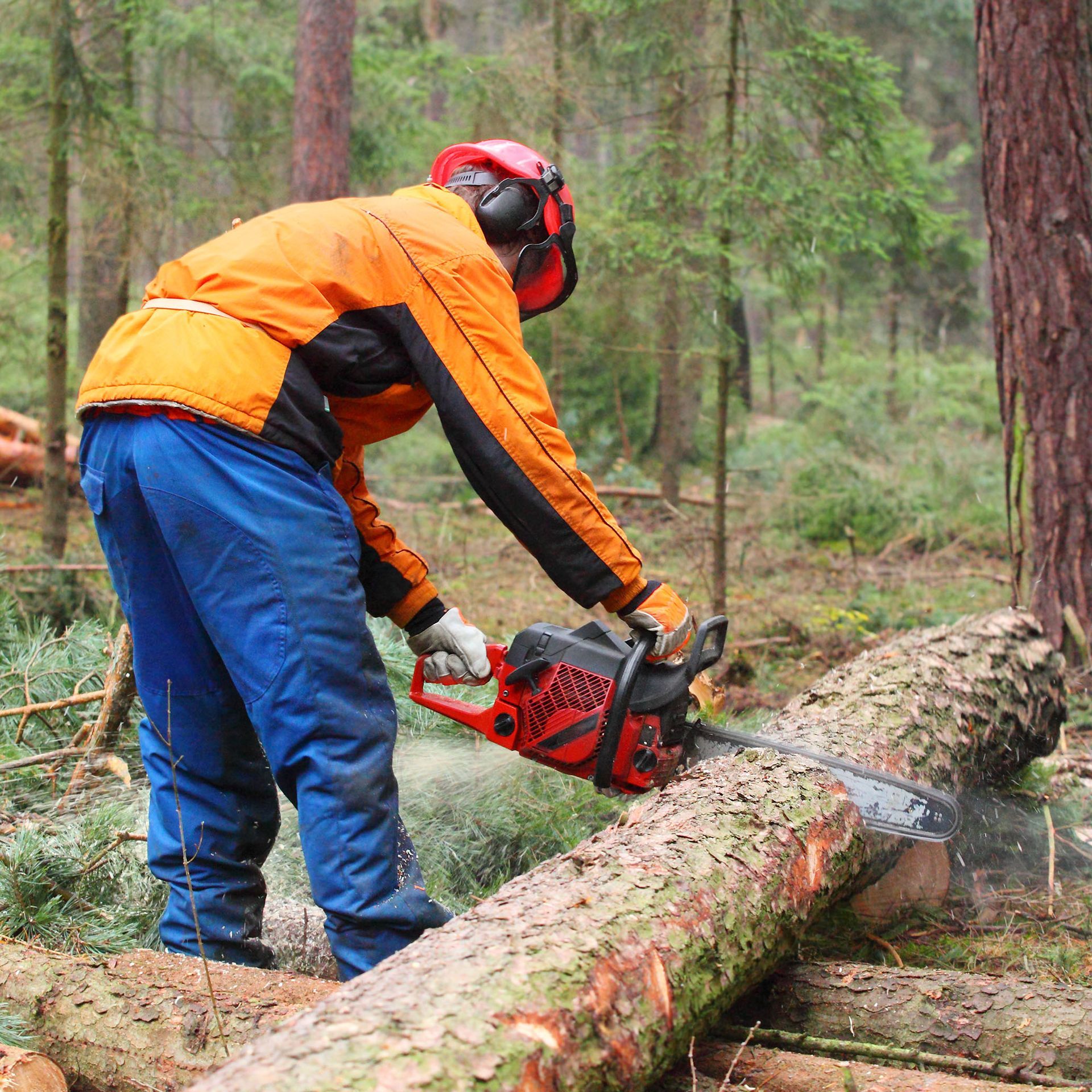
Timber extraction involves far more than simply cutting down trees. Professional logging contractors manage intricate supply chain logistics, directing the felling, processing, and transportation of raw timber from forest harvest sites directly to processing mills. Daily operations demand careful decision-making to optimize timber yield and minimize wood waste while maintaining strict safety standards on remote work sites. These specialists serve as vital links between forest landholders and industrial processing facilities, using advanced equipment to maneuver across challenging landscapes. According to IBISWorld, the timber harvesting sector in the United States features 43,153 active enterprises working within forest landscapes.
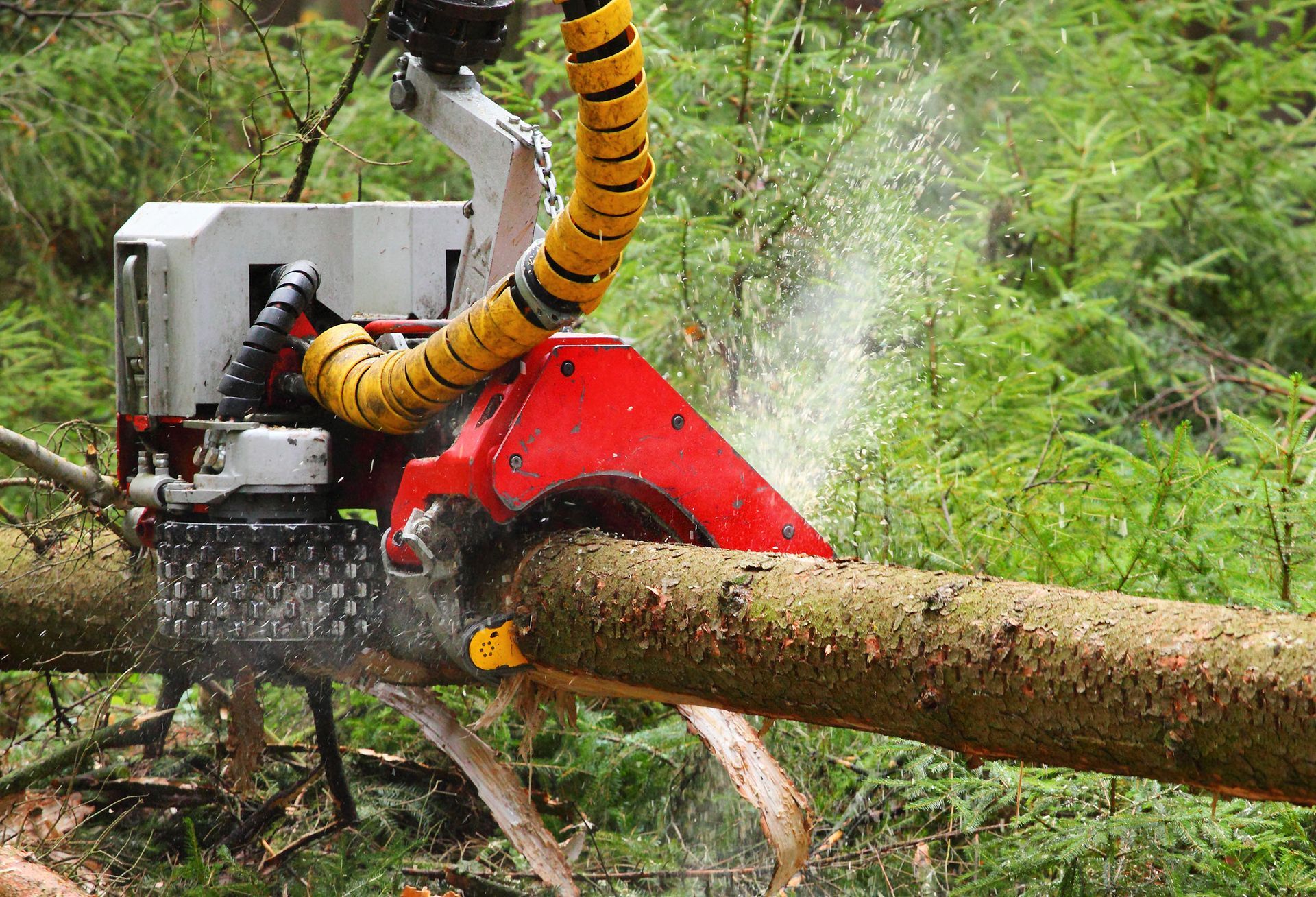
Effective forest stewardship requires thorough pre-harvest planning to limit operational damage to surrounding vegetation and forest floor stability. Industry professionals analyze soil conditions, terrain slope, and standing timber volume before deploying heavy equipment into designated harvest areas. Specialized machinery allows field crews to remove selected timber efficiently without disrupting nearby root networks or destabilizing vulnerable topsoils. Through careful route planning for hauling equipment, operations reduce severe soil compaction and prevent erosion in delicate timberlands. Establishing structured harvesting routes ensures long-term forest regeneration and continuous timber availability for future harvesting cycles.
Manage Stakeholder Expectations
Commercial timber operations touch a wide network of interested parties, ranging from state forestry departments to local municipal communities. Experienced logging contractors must actively communicate with landholders, environmental organizations, and wood processing plants to align harvesting objectives. Public concerns regarding habitat disruption, water quality preservation, and visual landscape alterations require transparent dialogue and adaptable operational methods. Establishing clear expectations prior to timber extraction helps resolve potential conflicts between commercial output targets and community conservation goals. Building strong relationships with regional communities promotes operational transparency and establishes long-term credibility across the timber sector.
Market pressures also shape how timber harvesting activities are conducted in active forest stands. Wood product manufacturers and retail buyers increasingly demand raw timber harvested through responsible environmental methods. Responding to these market preferences requires working closely with third-party monitoring bodies and forestry certification agencies. Adapting operational tactics to meet evolving consumer preferences creates expanded commercial access for timber enterprises. Balancing profitability with community values ensures that commercial timber harvesting maintains social acceptance and supports regional economic development over extended periods.
Navigate Complex Regulatory Frameworks
Government oversight sets mandatory standards for timber harvesting operations across federal, state, and local jurisdictions. Skilful logging contractors structure their daily routines around legal requirements governing water quality protection, endangered species habitats, and harvest boundaries. Regulators mandate specific buffer zones along streams and rivers to prevent runoff sedimentation and preserve aquatic ecosystems intact. Adhering to these strict legal directives requires ongoing crew training and routine site evaluations during active harvesting phases. Thorough record-keeping and precise site planning ensure full legal compliance while mitigating the risk of operational penalties.
Regulatory policies continuously evolve as dynamic ecological research provides new insights into sustainable forest management. Modern compliance practices incorporate digital mapping technologies and satellite monitoring systems to maintain boundary precision and track timber movements. Engaging with regulatory officials during early project planning stages allows field teams to identify environmental sensitivities promptly. Adapting field practices to match updated legal frameworks demonstrates a genuine commitment to sustainable land stewardship. Proactive regulatory compliance protects native wildlife habitats and ensures that forest landscapes remain productive for coming generations.
Comply with Global Sustainability Standards
International conservation frameworks set broad targets for reducing global deforestation and preserving biodiversity across sensitive forest regions. Dedicated logging contractors adopt voluntary certification standards established by international forestry organizations to align field operations with global environmental goals. Participating in recognized certification schemes requires rigorous third-party auditing of timber harvesting techniques and supply chain tracking. These comprehensive audits evaluate soil conservation efforts, worker safety measures, and overall ecosystem protection across active harvest boundaries. Maintaining international certification validates responsible forest management and enables direct access to global timber markets.
Aligning local harvesting techniques with global sustainability benchmarks enhances market reputation and deepens consumer trust. Certified operations must demonstrate that harvested forest areas undergo structured natural regeneration or dedicated replanting efforts. Documenting sustainable timber origin gives commercial buyers confidence that wood products stem from responsibly managed ecosystems. Continuous adherence to international benchmarks encourages broader industry adoption of low-impact extraction methods across diverse regions. Integrating global conservation principles into everyday field tasks strengthens the overarching resilience of forest ecosystems worldwide.
Overcome Economic and Compliance Obstacles
Operating modern forestry equipment involves substantial financial capital and ongoing equipment maintenance expenses. Resourceful logging contractors must manage variable fuel costs, fluctuating timber market prices, and heavy machinery investments while maintaining high environmental standards. Purchasing specialized low-impact machinery requires significant upfront investment, which can strain standard business operating budgets. Balancing operational expenditures against weekly production targets demands careful budget forecasting and efficient resource allocation. Maintaining financial viability allows timber extraction businesses to invest in cleaner technologies and continuous workforce safety training.
Compliance burdens often present logistical challenges, particularly for smaller forestry outfits navigating complex regulatory requirements. Securing permits, conducting environmental site assessments, and organizing regular third-party audits require dedicated administrative time and focus. Seeking guidance from industry associations and regional forestry extensions helps operators streamline compliance processes effectively. Overcoming these operational friction points enables timber harvesting enterprises to maintain profitable productivity levels without sacrificing conservation commitments. Sound financial management ensures that environmental protection measures remain fully funded throughout every single project lifecycle.
Adopt Modern Harvesting Innovations
Technological advancements have transformed traditional timber harvesting into a precise, data-driven discipline. Forward-thinking logging contractors utilize low-ground-pressure machinery, GPS mapping systems, and digital timber cruising tools to optimize harvest efficiency. Precision equipment minimizes ground disturbance during timber extraction, protecting sensitive topsoil and accelerating post-harvest natural forest recovery. Utilizing computerized planning software enables operators to map ideal haul routes and identify protected tree species before cutting begins. These technological tools increase raw timber yield while reducing overall operational footprints across working forests.
Implementing selective harvesting strategies allows forest managers to harvest mature timber while leaving healthy seed trees to support natural forest regeneration. Leaving standing dead trees and unharvested canopy strips creates vital wildlife corridors and preserves natural biodiversity within working landscapes. Monitoring site recovery after harvesting operations provides actionable data to refine future forestry management plans. Integrating modern harvesting innovations allows commercial operations to maintain high timber productivity while preserving essential ecosystem functions. Adopting advanced practices ensures that timber harvesting remains an economically viable and ecologically responsible industry.
Balancing commercial timber production with rigorous environmental protection remains essential for the long-term viability of modern forestry. Through strategic site planning, technological integration, and compliance with stringent regulatory standards, timber extraction businesses demonstrate that resource utilization and conservation can coexist harmoniously. Prioritizing low-impact harvesting methods preserves vital soil and water resources while providing necessary raw materials for global markets. Good logging contractors focus on sustaining healthy forest ecosystems, which requires ongoing dedication from skilled field professionals committed to responsible land stewardship. Contact us at Thornton Logging today to discover how our team can partner with you on your next sustainable forestry project.