August 7, 2026
According to the Forest Service, the nation needs to grow its timber stock to 20,000 million cubic feet per year. Responsible forestry involves evaluating trees, selecting appropriate harvesting methods, and considering the long-term condition of wooded areas. Services such as selective cutting, timber evaluations, and forest stand improvement can help landowners maintain productive forests while meeting their property goals. These approaches allow property owners to better understand available resources and make decisions that support their land management plans.
Effective Forest Management
Evaluate Timber Management Practices
Timber management involves making informed decisions about how wooded properties are maintained and improved over time. Evaluating tree conditions, identifying valuable timber resources, and determining appropriate harvesting approaches can help landowners better manage their forests. These considerations provide important insight into the condition and potential uses of wooded areas.
Assess Timber Conditions
Understanding the condition and value of timber is an important part of forest management. Timber evaluations help determine available resources by considering factors such as tree species, quality, and overall timber conditions. These evaluations give landowners additional information when considering their options.
A proper evaluation gives landowners important information when deciding whether harvesting or other timber management services are appropriate for their property. These assessments help create a clearer picture of available timber opportunities. They can also help property owners better understand the resources located on their land.
Plan Future Timber Harvests
Thoughtful planning can help landowners make decisions that align with their long-term property goals. Timber harvesting may involve identifying mature trees, evaluating available resources, and selecting an approach that fits the condition of the land. Each property may require a different strategy based on its current characteristics.
Selective Harvesting Methods
Remove Selected Trees
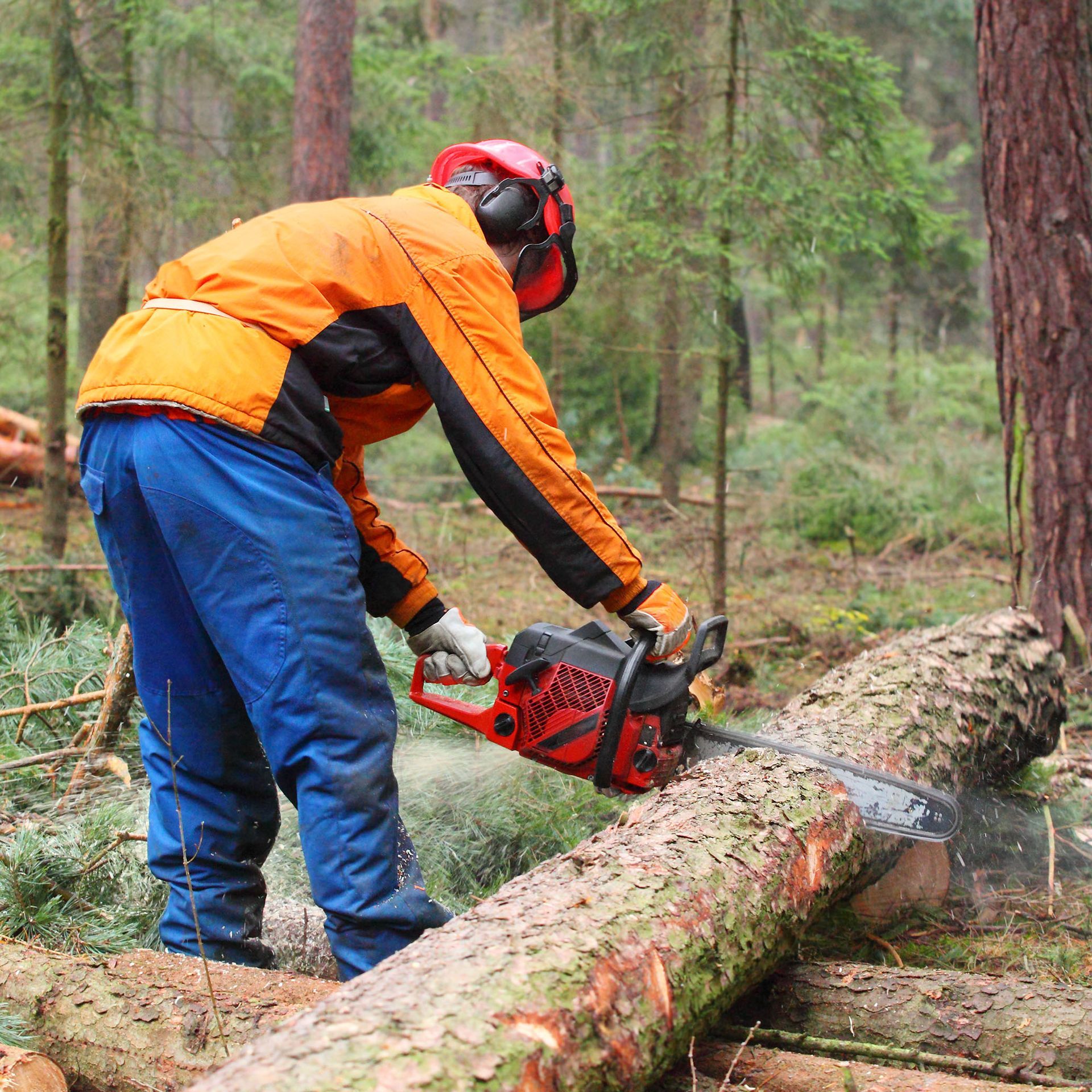
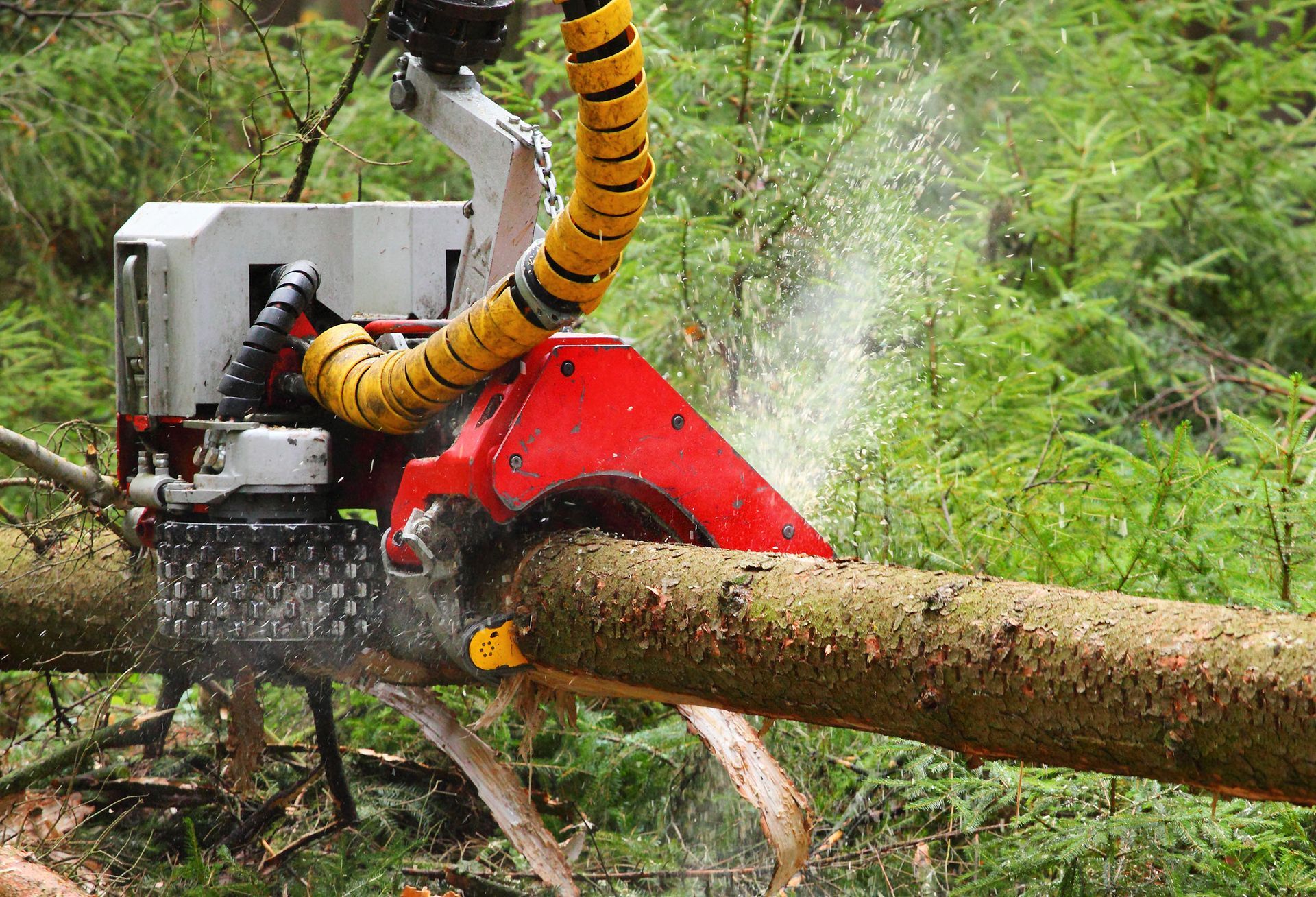
Selective harvesting focuses on removing specific trees while leaving other parts of the forest intact. This method allows landowners to access timber resources while maintaining the overall structure of their wooded property. It provides an option for managing timber while considering the condition of the remaining trees.
Selecting individual trees for removal requires an understanding of tree conditions, available timber value, and the goals of the property owner. This approach is commonly used as part of broader timber management efforts. It allows landowners to address specific timber needs without removing all available resources.
Improve Forest Stands
Forest stand improvement focuses on enhancing the condition of wooded areas by managing tree growth and removing undesirable trees. This service can help improve the quality of remaining timber and support healthier forest conditions. It is one way landowners can address the overall condition of their wooded properties.
Maintain Valuable Timber Resources
Proper timber management helps landowners understand the value of the trees on their property. Hardwood species, veneer-quality timber, and other valuable resources may provide opportunities for harvesting when conditions are appropriate. Evaluating these resources helps property owners make more informed decisions.
Evaluating timber resources before removal helps ensure landowners have a better understanding of their available options and the potential uses of their wooded acreage. This information can help guide decisions about harvesting and property management. It also helps clarify the resources available within a wooded area.
Responsible Soil And Property Management
Prepare Properties For Timber Work
Before logging begins, understanding the condition of a property is an important part of the process. Factors such as tree locations, property layout, and future land use goals can influence the best approach for timber-related work. Proper preparation helps property owners better understand the needs of their land.
Support Responsible Land Clearing
Land clearing can help property owners prepare areas for future use by removing trees, brush, and unwanted vegetation. This service may support residential, agricultural, commercial, or other planned property improvements. Clearing can help make selected areas more accessible and usable.
Effective land clearing requires careful consideration of the existing landscape and the goals for the property. Removing unwanted vegetation can help create a more usable space while addressing overgrown or heavily wooded areas. Professional assistance can help property owners approach these projects with a clear plan.
Improve Access To Wooded Areas
Dense vegetation and unmanaged wooded areas can make portions of a property difficult to access. Land clearing services can help remove obstacles and improve access for future projects or property management needs. These services can help property owners better utilize areas that may be difficult to reach.
Valuable Timber Purchasing And Evaluation
Buy Standing Timber
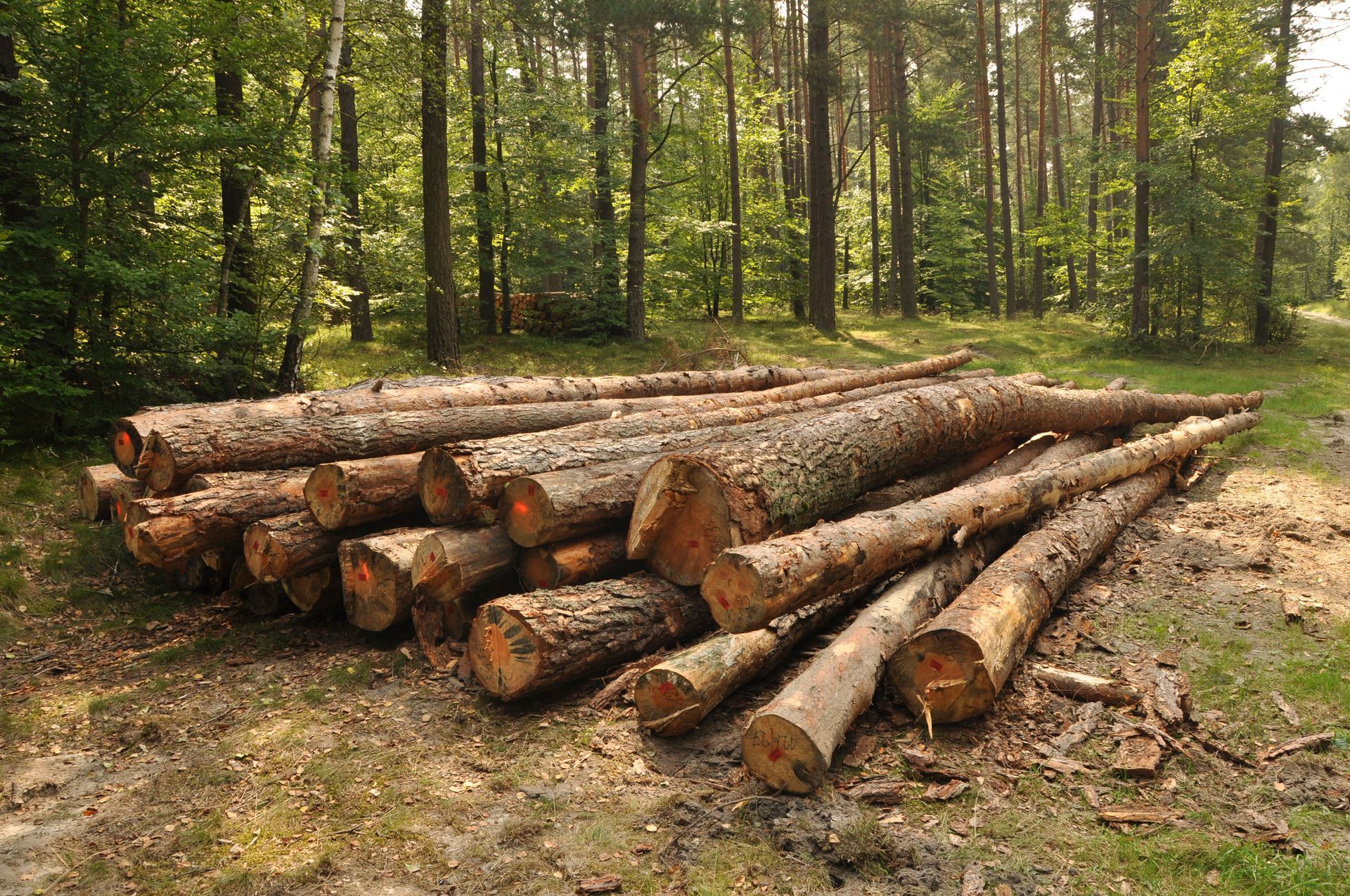
Standing timber represents an important resource for many landowners. Evaluating trees before they are harvested helps determine their potential value and whether they may be suitable for timber purchasing. This process gives property owners more information about the resources available on their land.
Timber buyers work with property owners to assess available resources and determine opportunities for harvesting. Understanding the quality, species, and condition of trees helps create a clearer picture of a property's timber value. These details can help guide decisions about managing wooded areas.
Assess Hardwood Timber
Hardwood timber can provide valuable resources when properly evaluated and managed. Different tree species and grades may have different uses, making accurate assessments an important part of the timber purchasing process. Understanding these characteristics helps landowners better evaluate their options.
Evaluate Veneer Timber
Some trees may have qualities that make them suitable for veneer applications. Veneer-grade timber is evaluated based on factors such as species, size, and quality. These characteristics help determine the potential value and use of available timber.
Help Landowners Understand Timber Value
Timber evaluations provide landowners with important information about the resources available on their property. These evaluations can help clarify the potential value of standing timber and support better decisions about future timber management. Having a clearer understanding of available resources can make planning easier.
Future Land Preparation
Clear Trees And Vegetation
Land clearing services help remove unwanted trees, brush, and vegetation from properties that need additional space or improved usability. Clearing may be useful for landowners preparing areas for construction, agriculture, or other planned projects. These services can help address overgrown areas and create more usable spaces.
Support Property Improvements
Many properties require preparation before they can be used for new purposes. Clearing wooded areas can help create opportunities for future improvements by making land more accessible and manageable. Proper planning helps property owners address their specific goals for the space.
Manage Overgrown Areas
Overgrown wooded areas may require professional attention to improve access and usability. Removing unwanted trees and vegetation can help property owners better manage their land. These services can address areas that have become difficult to maintain.
Informed Forestry Decisions
Understand Available Timber Services
Timber management involves more than removing trees. Evaluations, harvesting decisions, and property goals all play a role in determining the right approach for wooded areas. Understanding available options helps landowners make choices that fit their needs.
Manage Wooded Properties
Every wooded property has different characteristics, including tree types, conditions, and land use goals. A thoughtful approach to timber management helps property owners address their specific needs. Evaluating these differences can help determine appropriate services for each property.
Services such as timber evaluations, selective cutting, and forest stand improvement provide options for managing wooded areas while considering future growth and property plans. These services allow landowners to address different aspects of timber management. They can also help maintain a better understanding of available resources.
Plan Long-Term Timber Goals
Long-term planning allows landowners to make decisions based on the current condition of their property and future objectives. Understanding available timber resources can help guide choices about harvesting, management, and land improvements. Planning ahead can make property decisions more organized.
Learn more about how Thornton Logging helps property owners with logging services, timber evaluations, forest management, and land clearing solutions. With experience supporting a variety of timber-related needs, Thornton Logging works with landowners to better understand their properties and plan projects that align with their goals.