October 7, 2026
Sustainable forestry is becoming an increasingly important component of environmental conservation efforts worldwide. As global awareness grows, the role of local logging contractors in championing sustainable practices cannot be overlooked. These contractors play a crucial part in balancing ecological preservation with economic needs, ensuring that forests continue to offer resources and biodiversity for future generations. The innovative techniques and proactive approaches of local contractors are pivotal in advancing sustainable forestry objectives. Moreover, their efforts are inspiring a new generation of forestry professionals committed to sustainable resource management. By combining responsible harvesting methods with long-term conservation strategies, local contractors can help create healthier and more resilient forest ecosystems.
Understanding Sustainable Forestry
Sustainable forestry involves managing forest resources to meet current needs while ensuring their availability for future generations. This practice includes a variety of methods aimed at maintaining ecological balance, promoting diverse ecosystems, and supporting wildlife habitats. It requires the harmonious integration of environmental, social, and economic goals to preserve forest health and productivity. By adopting sustainable practices, local logging contractors help maintain forest ecosystems, reduce environmental impact, and foster community engagement. These practices often form the foundation for broader conservation strategies enacted by governmental and non-governmental organizations alike.
The concept of sustainable forestry is rooted in the principles of conservation and long-term resource management. Forests are complex ecosystems that provide valuable ecological services, such as water regulation, carbon sequestration, and soil protection. Sustainable forestry seeks to safeguard these services while allowing for responsible harvesting. Local logging contractors, being on the frontline, play a vital role in implementing these practices within their operations, ensuring that forest resources remain viable and abundant. This proactive mentality is essential in countering the adverse effects of deforestation and promoting reforestation.
The collaboration between local communities, governments, and logging contractors is essential in promoting sustainable forestry. Contractors often have extensive knowledge and understanding of local ecosystems, which they leverage to implement sustainable practices. This includes selective logging, reforestation, and protecting water sources—all crucial elements of sustainable forestry. Through these efforts, local logging contractors contribute significantly to the long-term health and sustainability of forests. Community-driven initiatives frequently underscore the interdependence of economic livelihood and ecological stewardship.
The Role of Local Logging Contractors
Local logging contractors are instrumental in implementing sustainable practices within forestry operations. Their proximity to forested areas often gives them unique insights into the ecological and social dynamics of the regions they work in. By applying local knowledge, contractors can tailor their practices to suit the specific needs and challenges of their operating environments. This adaptability is crucial for making sustainable forestry both effective and economically viable. The ability to pivot strategies as required by environmental shifts also reflects the resiliency inherent in these local efforts.
These contractors also serve as vital links between communities and larger conservation efforts, facilitating education and awareness regarding sustainable practices. By engaging local communities, contractors can encourage more sustainable usage of forest resources and collaborative management approaches. In regions where forests are integral to livelihoods, the involvement of local logging contractors ensures that sustainable practices also support economic well-being. This dual focus on community development and environmental health often results in more robust local economies and healthier ecosystems.
Moreover, when local logging contractors deploy sustainably minded operations, the financial stability of their businesses improves. According to National Timber Tax, when log prices are more stable, overall adjustments to pricing only occur within a range of approximately 10% to 20%, which is more consistent with other types of real estate adjustments. This stability allows contractors to plan long-term, invest in sustainable technologies, and contribute consistently to local economies. In this way, local logging contractors are not just users of sustainable practices but also beneficiaries of the same. Long-term financial planning, supported by a stable market, enables further investment in innovative, sustainable technologies.
Best Practices in Sustainable Logging
Sustainable logging practices are designed to minimize environmental impacts while maximizing resource use efficiency. One such practice is selective logging, where only certain trees are harvested based on criteria such as species, age, and ecological importance. By focusing on select trees, logging operations help maintain canopy structure and biodiversity. This method also encourages natural regeneration and enhances the resilience of forest ecosystems to climate change. Properly executed, these strategies contribute to long-term sustainability and ecological health.
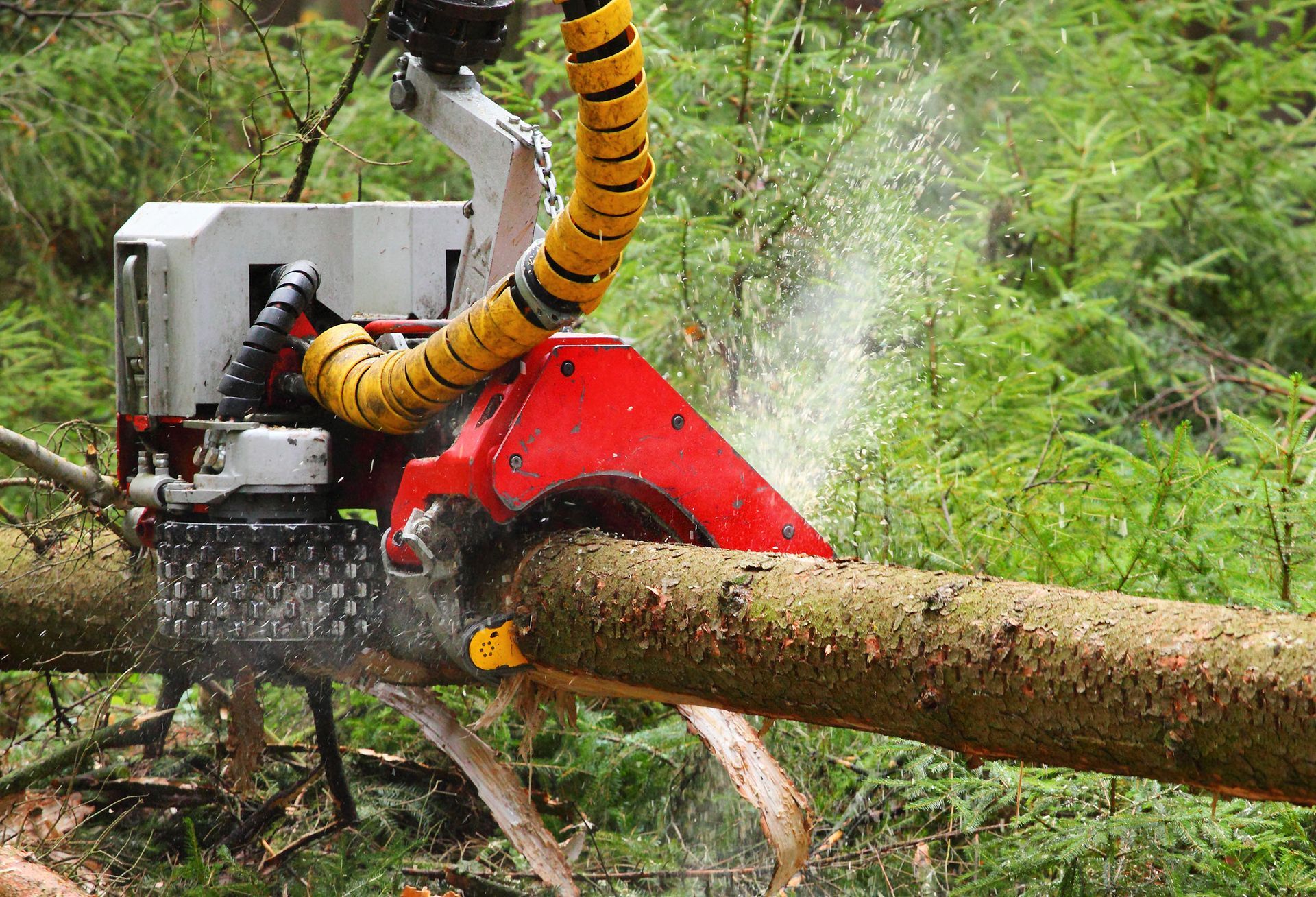
Another vital practice is the use of reduced-impact logging techniques. These methods aim to lower the damage caused to surrounding trees and soil during harvesting by employing compact equipment and strategic planning. Such practices not only preserve the forest's structural integrity but also help maintain its ecological functions. By implementing reduced-impact techniques, local logging contractors can contribute to reduced carbon emissions and improved forest health. Over time, these efforts support climate change mitigation initiatives at the global level.
Sustainable logging also involves strategic reforestation and afforestation efforts to replenish harvested areas with native species. This practice helps accelerate ecological recovery and maintain the genetic diversity within forest ecosystems. Local logging contractors often lead these reforestation projects, working closely with environmental bodies and community stakeholders. Through these efforts, they demonstrate their commitment to sustainable resource management and long-term ecological health. Establishing partnerships with scientific communities further enhances these initiatives, ensuring they align with broader ecological goals.
Challenges Faced by Logging Contractors
Despite their important role, local logging contractors encounter several obstacles when adopting sustainable forestry practices. Economic factors, including changing market demand and competitive pricing, can make it difficult to maintain environmentally responsible practices while managing operational costs. This is especially true in the face of global competition from countries with lower operating costs. However, contractors who incorporate sustainability often find that the stability associated with better management offsets short-term financial pressures. Innovative business models that integrate ecological and economic objectives can further alleviate these financial hurdles.
Additionally, regulatory frameworks and bureaucratic processes sometimes hinder efficient adoption of sustainable practices. Contractors may encounter difficulty navigating these systems, making it harder to access resources or financing for sustainable projects. This can slow the transition towards more environmentally-friendly operations. Advocacy for streamlined regulations that support sustainable forestry is crucial to overcoming these barriers. Simplifying access to green financing and incentives can also promote broader adoption of sustainable practices.
Finally, contractors often confront environmental challenges such as changing climate conditions that affect forest growth and productivity. These challenges require adaptive management strategies and ongoing education to ensure sustainable ends are met. By fostering innovation and staying abreast of emerging practices, local logging contractors can mitigate the impacts of these environmental stresses. Engaging in continuous learning and collaboration opens avenues for overcoming these inherent challenges. Leveraging emerging research and technologies can create new opportunities for sustainable growth and problem-solving in the forestry sector.
Local logging contractors are pivotal players in the pursuit of sustainable forestry, harmonizing economic activities with ecological integrity. Their involvement is essential not only for successful integration of sustainable practices but also for ensuring economic and environmental resilience. Through innovative approaches and strategic collaborations, local contractors are demonstrating that sustainability and economic prosperity can indeed coexist. Continued support for these entities will be vital in advancing the sustainable management of our planet's invaluable forest resources. Encouraging investment in technology and capacity building will further enhance their role in global sustainability efforts. Reach out to Thornton Logging to learn more about our services today.