November 5, 2026
Owning forested property offers incredible potential for environmental stewardship and financial gain. Many landowners stare at their sprawling acres of mature trees and wonder how to appropriately manage such a vast resource without causing ecological damage or losing potential revenue. Transforming a dense forest into a profitable and sustainable asset requires deep knowledge of tree species, market fluctuations, and environmental regulations. Attempting to harvest trees without professional guidance often leads to extensive soil erosion, undervalued sales, and long-term harm to the ecosystem. By partnering with a local timber buyer, landowners gain access to regional expertise that ensures every felled tree serves a strategic purpose. These professionals evaluate the maturity of the forest, identify the most valuable species, and coordinate the extraction process to minimize disruption to the surrounding habitat. Choosing the right partner can completely change the trajectory of property management, turning a stagnant plot of land into a thriving natural asset.
Assessing the Woodland Health
A thriving forest is a delicate ecosystem where every tree plays a crucial role in maintaining soil stability and providing wildlife habitat. When landowners decide to harvest their trees, they must first understand the overall condition of their property. Disease and pest infestations can easily sweep through dense woods, destroying decades of growth in just a few seasons. Overcrowded areas also stunt the development of younger trees by blocking essential sunlight and absorbing soil nutrients. A local timber buyer possesses the specific regional knowledge necessary to identify these localized threats and recommend selective thinning processes that improve overall vitality.
Evaluating a forest requires more than simply looking at the height and width of the trunks. Professionals analyze the canopy structure, the root systems, and the undergrowth to determine which specimens are truly ready for extraction. Removing older and decaying trees creates space for saplings to flourish, which ultimately accelerates the regeneration of the woodland. According to the National Association of State Foresters, about 7.5% of the world’s forests are in the United States. Properly managing this vast domestic resource starts at the individual property level through careful assessment and strategic planning.
Understanding the Market Value
The demand for wood products fluctuates based on global economic trends, regional construction needs, and material availability. Landowners who attempt to sell their trees independently often struggle to accurately price their resources because they lack access to current industry data. Hardwoods like oak and walnut command entirely different prices than softwoods like pine, and these rates can shift drastically from season to season. Without an intimate understanding of sawmill demands and processing capabilities, sellers risk accepting offers that fall far below the actual worth of their harvest. Professional valuation becomes absolutely critical for maximizing returns and securing financial stability.
Engaging a local timber buyer ensures that property owners receive fair compensation based on up-to-date market intelligence within their specific region. These experts maintain established relationships with nearby mills and manufacturers, which allows them to negotiate better rates than an independent seller could secure alone. They know precisely which species are currently commanding premium prices and which should be left to grow for a few more seasons. By relying on this specialized market insight, landowners can confidently time their sales to align with peak demand and substantially increase their financial reward while protecting their investment.
Managing the Harvesting Process
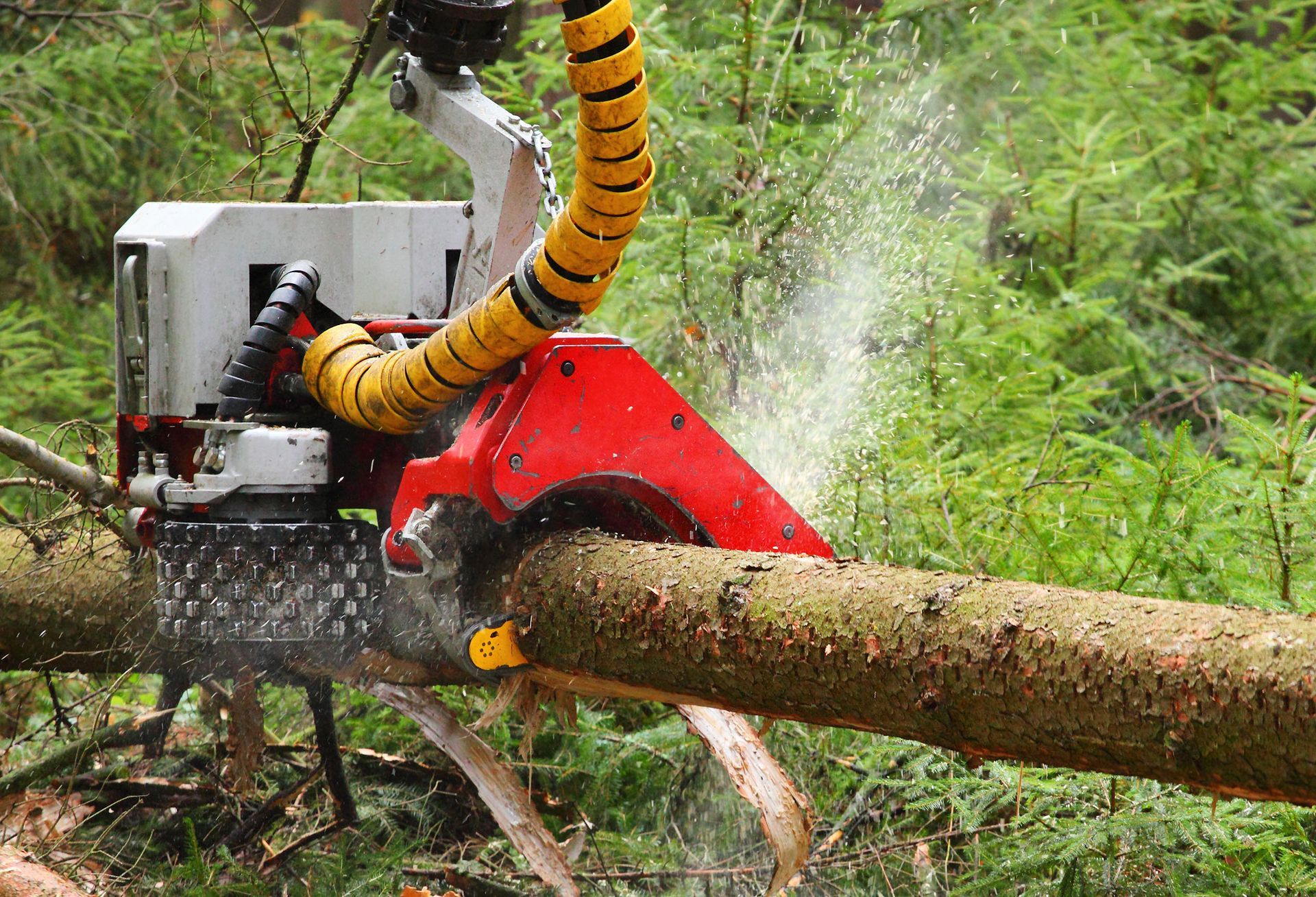
The physical extraction of mature trees is an intensely dangerous and logistically demanding operation. Heavy machinery must be navigated through dense foliage, uneven terrain, and fragile underbrush without causing irreversible destruction to the surviving ecosystem. If felled incorrectly, a massive trunk can easily crush younger saplings, destroy natural drainage paths, or compromise the stability of the remaining soil. Independent landowners simply do not have the heavy equipment or the specialized training required to safely drop, delimit, and transport massive logs out of a thick forested area without jeopardizing their personal safety and land integrity.
Hiring a local timber buyer guarantees that the entire physical operation is executed with precision and care. These professionals utilize advanced machinery and proven directional felling techniques to minimize collateral damage to the surrounding environment. They carefully map out skid trails and loading zones in areas that will cause the least amount of soil compaction and root disturbance. Once the valuable wood is successfully removed, they also implement post-harvest cleanup procedures that leave the property in excellent condition, ready for the next phase of natural growth and regeneration without leaving hazardous debris behind.
Supporting the Regional Economy
Every time a landowner harvests their property, they have a profound opportunity to stimulate the economy of their surrounding community. When raw materials are shipped out of state or overseas, the financial benefits of the sale leave the immediate area, doing little to support neighboring families and small businesses. Transporting heavy logs over massive distances also significantly increases carbon emissions and diminishes the overall sustainability of the project. Keeping the supply chain condensed is vital for fostering community resilience and reducing the environmental footprint of the wood products industry while generating regional prosperity.
By choosing to work with a local timber buyer, landowners directly contribute to the financial health of their own region. The harvested logs are typically transported to nearby sawmills, creating steady employment for regional mill workers, truck drivers, and equipment mechanics. This localized approach ensures that the revenue generated from the land circulates through neighborhood grocery stores, repair shops, and community services. Furthermore, shorter transportation routes mean lower freight costs and reduced emissions, resulting in a harvesting operation that is both economically and environmentally responsible from the very first cut to the final sale.
Ensuring the Future Growth
Sustainable forestry is entirely focused on balancing the immediate financial gains of a harvest with the long-term ecological viability of the woodland. Stripping a property bare through clear-cutting might provide a sudden influx of cash, but it completely destroys the habitat and leaves the land barren for generations. Erosion quickly strips away the nutrient-rich topsoil, making it incredibly difficult for new seeds to take root and thrive. A truly successful extraction operation always prioritizes the future health of the forest over short-sighted profit margins, leaving behind a robust ecosystem capable of sustaining abundant wildlife.
Partnering with a local timber buyer ensures that the property is managed with generational sustainability in mind. These experts implement selective harvesting strategies that leave a healthy canopy and a strong network of seed trees to naturally repopulate the area. They understand exactly how the regional climate and soil conditions will affect the regrowth process and can offer ongoing advice for monitoring the new saplings. Because they live and work in the same community, they have a vested interest in keeping the surrounding landscape beautiful, healthy, and productive for decades to come, benefiting everyone involved.
Transforming raw forest land into a well-managed, profitable resource is a rewarding endeavor that requires careful planning and regional expertise. Attempting to navigate the complexities of environmental assessments, market pricing, and physical extraction alone can lead to devastating ecological and financial mistakes. Trusting a local timber buyer to guide the process guarantees that the forest remains healthy, the legal requirements are fully met, and the community reaps the economic benefits of the harvest. By prioritizing sustainable practices and accurate valuations, property owners can confidently maximize the true worth of their natural assets. It has never been easier to unlock the hidden value in your land. If you are ready to evaluate the potential of your forested property and want to discuss sustainable harvesting options with a friendly and knowledgeable team, please reach out to Thornton Logging today.