August 3, 2026
In recent years, the role of commercial timber harvesting in modern ecology has evolved significantly. As global awareness of environmental issues grows, advanced harvesting techniques have been developed to ensure that active timber harvesting contributes positively to forest health and long-term ecosystem stability. Far from being a force of indiscriminate destruction, modern forestry relies on precision planning, ecological research, and high-tech equipment to maintain resilient ecosystems. With professional logging services playing a central role in executing these management plans across North America, understanding the intersection of profitability and sustainability is essential. According to IBISWorld, the logging industry in the United States is valued at $16.1 billion in 2026, making the implementation of responsible and forward-thinking operations more pressing—and economically vital—than ever before.
1. Implementing Reduced-Impact Logging (RIL) Techniques
Reduced-Impact Logging (RIL) defines a set of highly disciplined practices designed to minimize the ecological footprint of timber harvesting. Unlike historical timber clearing methods, RIL focuses on precision execution to protect the surrounding forest structure, water quality, and native wildlife habitats.
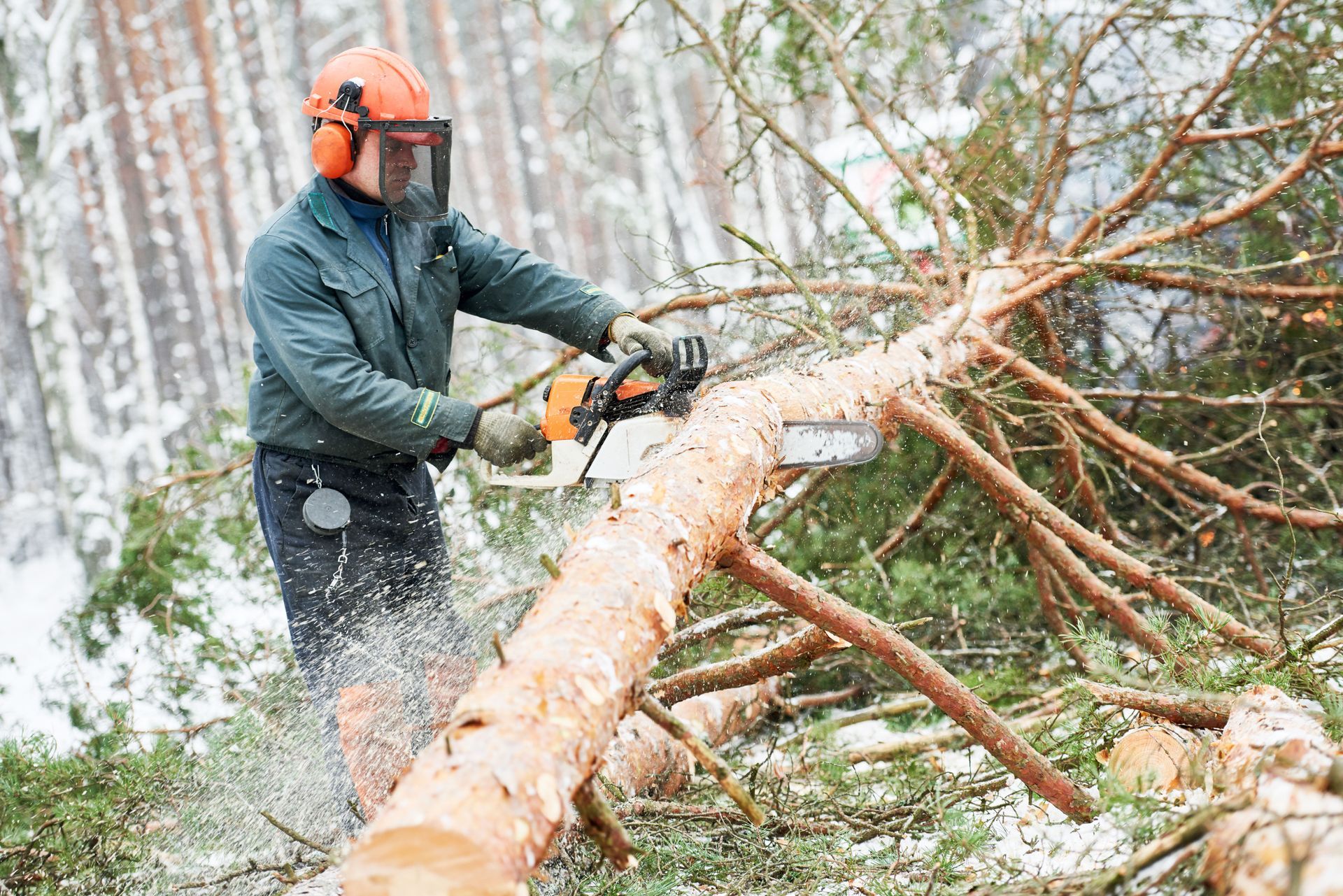
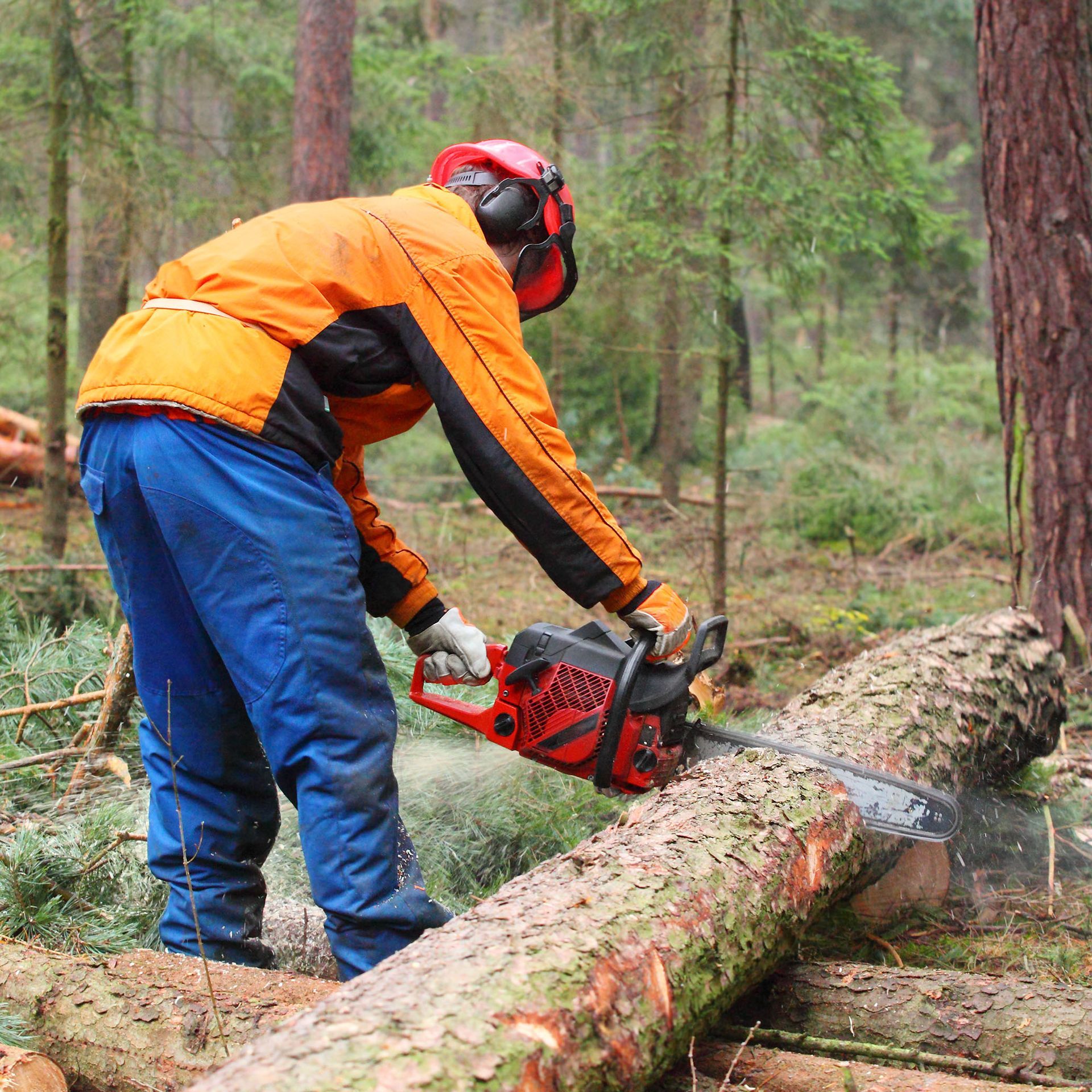
- Directional Felling: Skilled sawyers fell trees in specific directions to avoid damaging non-target standing timber, understory vegetation, and young saplings destined to form the next canopy generation.
- Pre-Planned Skid Trails: Operators map out equipment access routes prior to harvesting, reducing the total surface area disturbed by heavy machinery and avoiding sensitive soils.
- Stream Buffer Preservation: Establishing protective riparian buffer zones along waterways prevents soil erosion, maintains cooler water temperatures, and preserves aquatic habitats.
By adhering to these rigorous guidelines, modern timber operators balance industrial wood production with long-term ecological conservation. Thorough pre-harvest mapping takes into account site topography, soil susceptibility, and local species compositions to ensure that only designated trees are removed. Implementing these sound forestry practices requires extensive operator training, which directly reduces collateral damage to the surrounding stand. Furthermore, by preserving soil integrity and remaining vegetation, RIL plays a vital role in maintaining forest carbon storage, directly supporting global climate mitigation efforts.
2. Deploying Eco-Friendly Machinery and Precision GPS Tracking
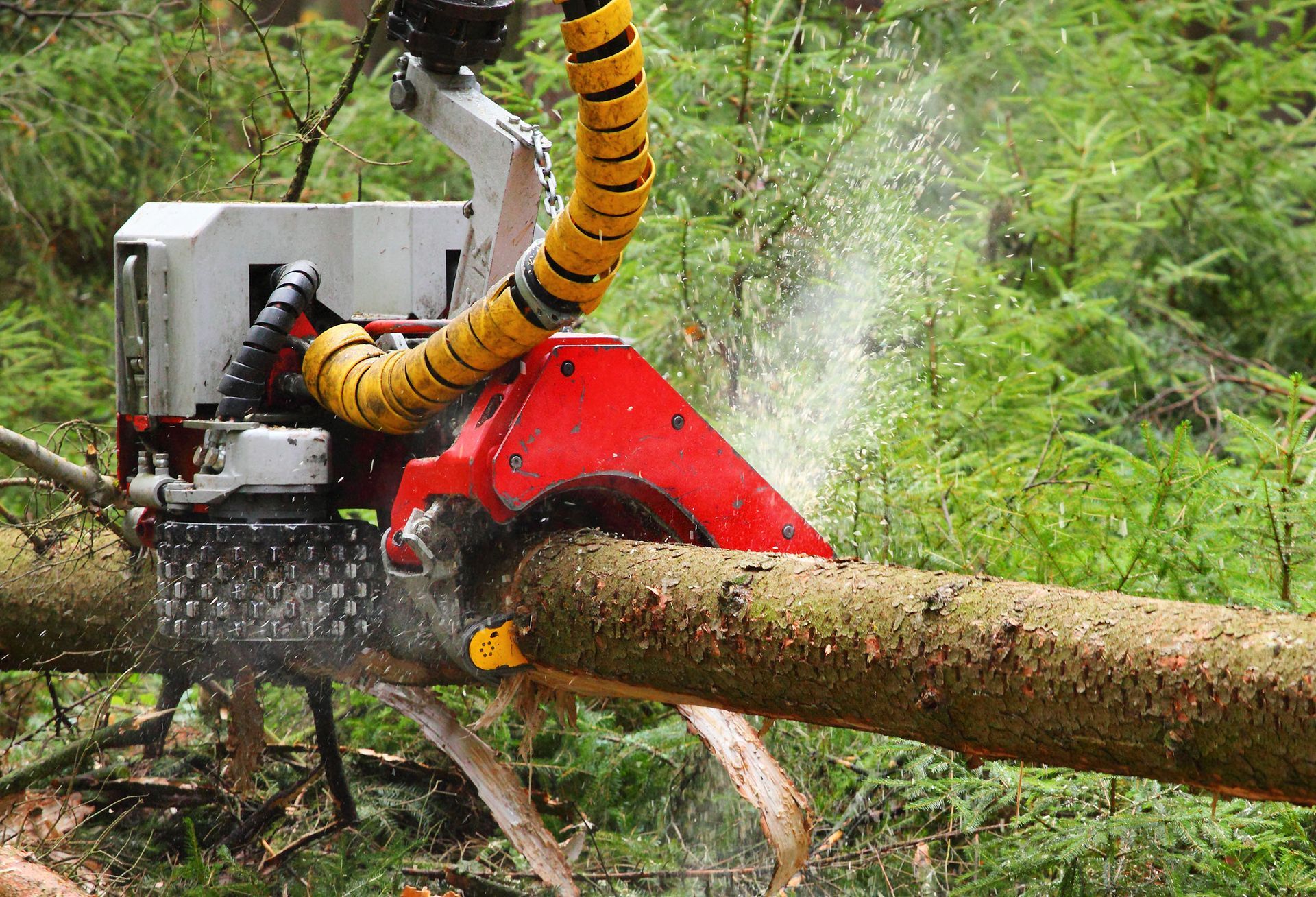
Advancements in heavy machinery technology have revolutionized modern timber harvesting, turning high-capacity operations into precision environmental management tools. The transition toward low-impact, highly efficient machinery allows timber companies to perform essential thinning and harvesting while drastically reducing their physical footprint.
Modern forestry equipment features advanced hydraulic systems, hybrid engines, and eco-friendly lubricants that reduce carbon emissions and eliminate toxic fluid leaks in sensitive woodland ecosystems. Furthermore, the integration of real-time GPS tracking and remote sensing technology enables machinery operators to navigate forests with extreme accuracy. Digital site maps uploaded directly to equipment cabins keep operators strictly within designated harvest boundaries and away from protected wetlands, wildlife nesting sites, or steep, erosion-prone slopes.
Equally important is the reduction of soil compaction through low-ground-pressure tracks and broad flotation tires. Conventional heavy machinery can compact forest soils, crushing micro-pore structures, restricting water infiltration, and suffocating tree roots. In contrast, modern low-impact machinery distributes machine weight over a wider surface area, preserving soil structure, encouraging natural seed germination, and speeding up post-harvest vegetation recovery.
3. Mitigating Wildfire Risks and Controlling Forest Disease
Unmanaged, overly dense forests accumulate massive amounts of dead timber, dry brush, and crowded undergrowth. Left unchecked, these unnatural fuel loads create volatile conditions where catastrophic wildfires can quickly consume hundreds of thousands of acres. Professional logging services serve as a primary defense against these megafires by performing targeted thin-outs and hazardous fuel reductions.
Through selective thinning, timber crews remove dead, diseased, and overcrowded trees, creating natural fuel breaks that slow down fire progression and allow ground crews to establish containment lines safely. Removing dense understory ladder fuels prevents ground fires from climbing into the upper canopy, where fire spreads rapidly and destroys entire forest ecosystems.
Furthermore, selective timber removal is an indispensable tool in combating devastating insect infestations and diseases, such as the mountain pine beetle and emerald ash borer. Infected or weakened trees act as breeding grounds for pests, which can quickly wipe out vast contiguous stands of timber. By rapidly identifying, harvesting, and removing infested trees, modern timber contractors contain pest outbreaks, protecting adjacent healthy stands and preserving overall forest resilience.
4. Facilitating Natural Regeneration and Reforestation
Sustainable forest management requires that every harvested area has a clear, actionable plan for rapid regeneration. Modern harvesting operations work hand-in-hand with professional silviculturists to implement harvesting methods that mirror natural disturbance regimes, such as windstorms or small fires, to stimulate new growth.
- Shelterwood Harvesting: Timber is removed in a series of partial cuts over time, leaving a protective canopy to shelter young seedlings from harsh weather until they become established.
- Seed-Tree Systems: Selected mature, genetically superior trees are left standing throughout the harvest area to naturally disperse seeds across the exposed soil.
- Selective Thinning: Individual high-grade trees or small groups are harvested, opening up canopy gaps that allow sunlight to reach the forest floor, stimulating understory growth.
When natural regeneration is insufficient, structured replanting programs take over. Forest managers plant native, disease-resistant saplings at optimal spacing density to ensure robust growth. These managed reforestation efforts rapidly restore multi-tiered canopy structures, securing topsoil, restoring wildlife habitats, and re-establishing carbon sequestration capacity far faster than unmanaged lands could achieve on their own.
5. Supporting Wildlife Habitat Restoration and Biodiversity
A healthy forest is not a static, uniform blanket of old trees; it is a dynamic mosaic of diverse habitats representing various age classes and canopy densities. Many wildlife species—including specific birds, small mammals, and ungulates—rely heavily on early successional forests, which consist of young trees, shrubs, and abundant ground vegetation created by open-canopy harvesting.
By strategically creating openings in dense tree cover, controlled timber operations reintroduce vital edge habitats and forage areas that support diverse animal populations. Additionally, modern harvest guidelines require crews to leave designated "snags" (standing dead trees) and coarse woody debris on the forest floor. These deadwood structures provide critical nesting cavities for birds, shelter for small mammals, and nutrient-rich organic matter for soil fungi and insects.
Maintaining this complex habitat network ensures high levels of biodiversity across the landscape. The combination of dense mature timber, sheltered young growth, open foraging meadows, and decaying wood structures fosters a resilient, biodiverse ecosystem capable of adapting to changing environmental conditions and climate stressors.
Modern forestry proves that commercial wood production and environmental stewardship can thrive together. By implementing reduced-impact techniques, utilizing advanced low-impact machinery, reducing wildfire fuel loads, and prioritizing biodiversity, active timber management serves as a cornerstone of global conservation efforts. Utilizing professional logging services ensures that timber resources are harvested responsibly, protecting water quality, wildlife habitats, and forest health for generations to come.
As climate challenges evolve and global demand for renewable building materials increases, the role of science-backed forestry becomes even more vital. Sustainable harvesting balances economic vitality with ecological permanence, ensuring timberlands remain vibrant, carbon-capturing ecosystems. By continually adopting technological innovations and refining silvicultural practices, forward-thinking operators set the benchmark for responsible land stewardship. Protecting working forests today guarantees healthy, thriving woodland landscapes for decades into the future.
When you need expert timber harvesting and land clearing carried out with uncompromising environmental stewardship, trust the dedicated professionals at Thornton Logging to manage your forest resources safely and sustainably. Contact their team today to discuss custom forest management plans for your property.