August 4, 2026
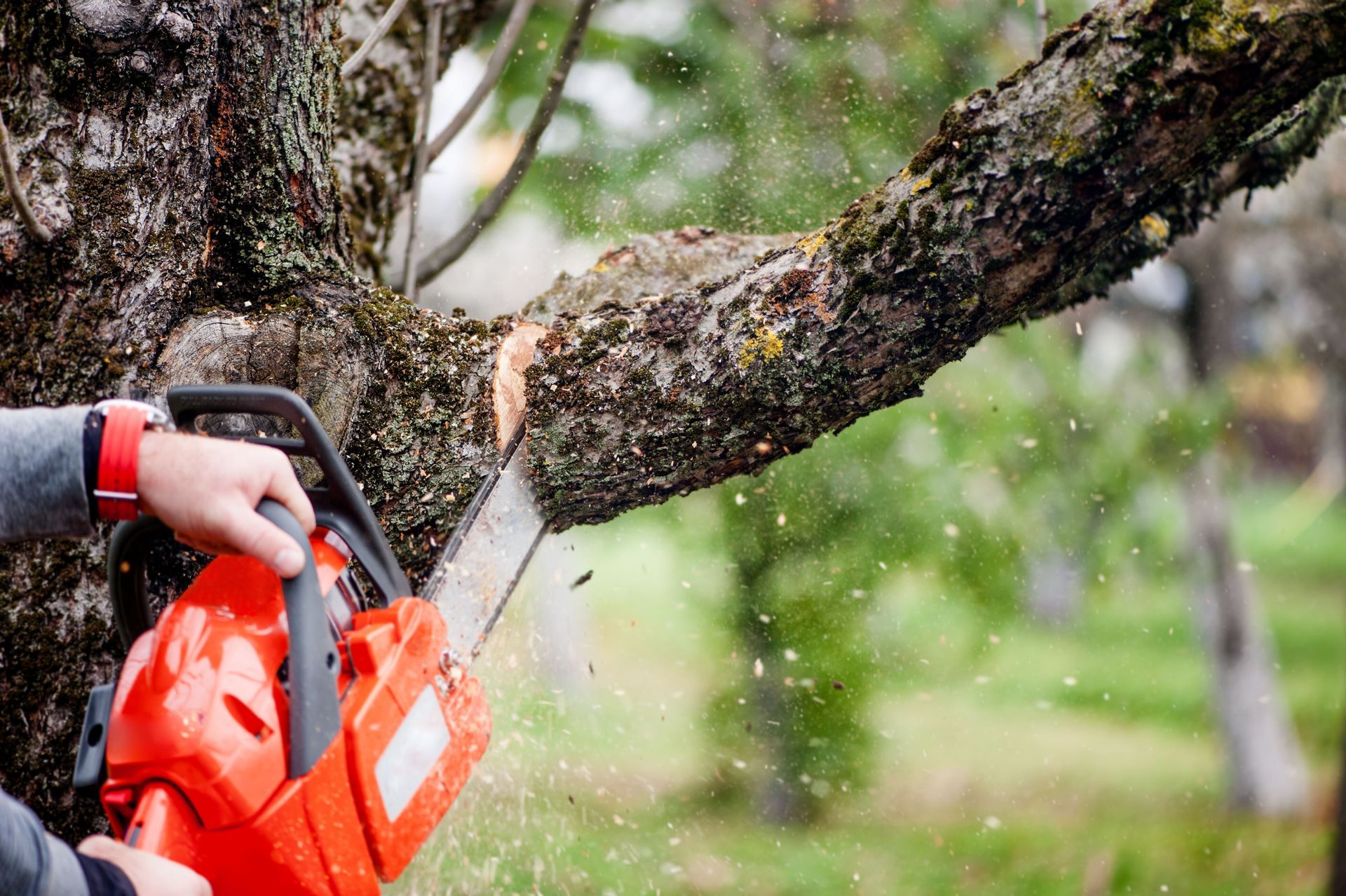
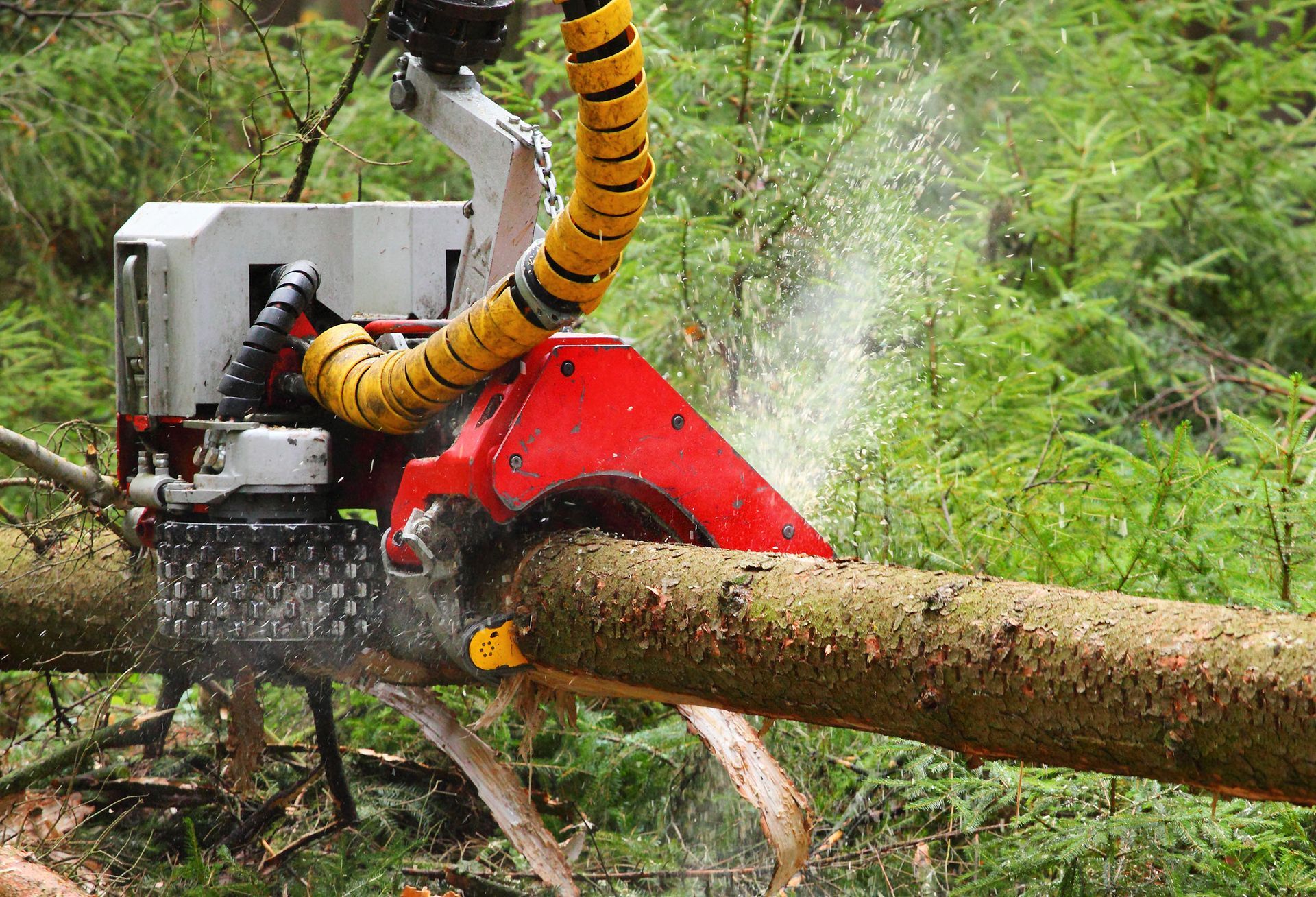
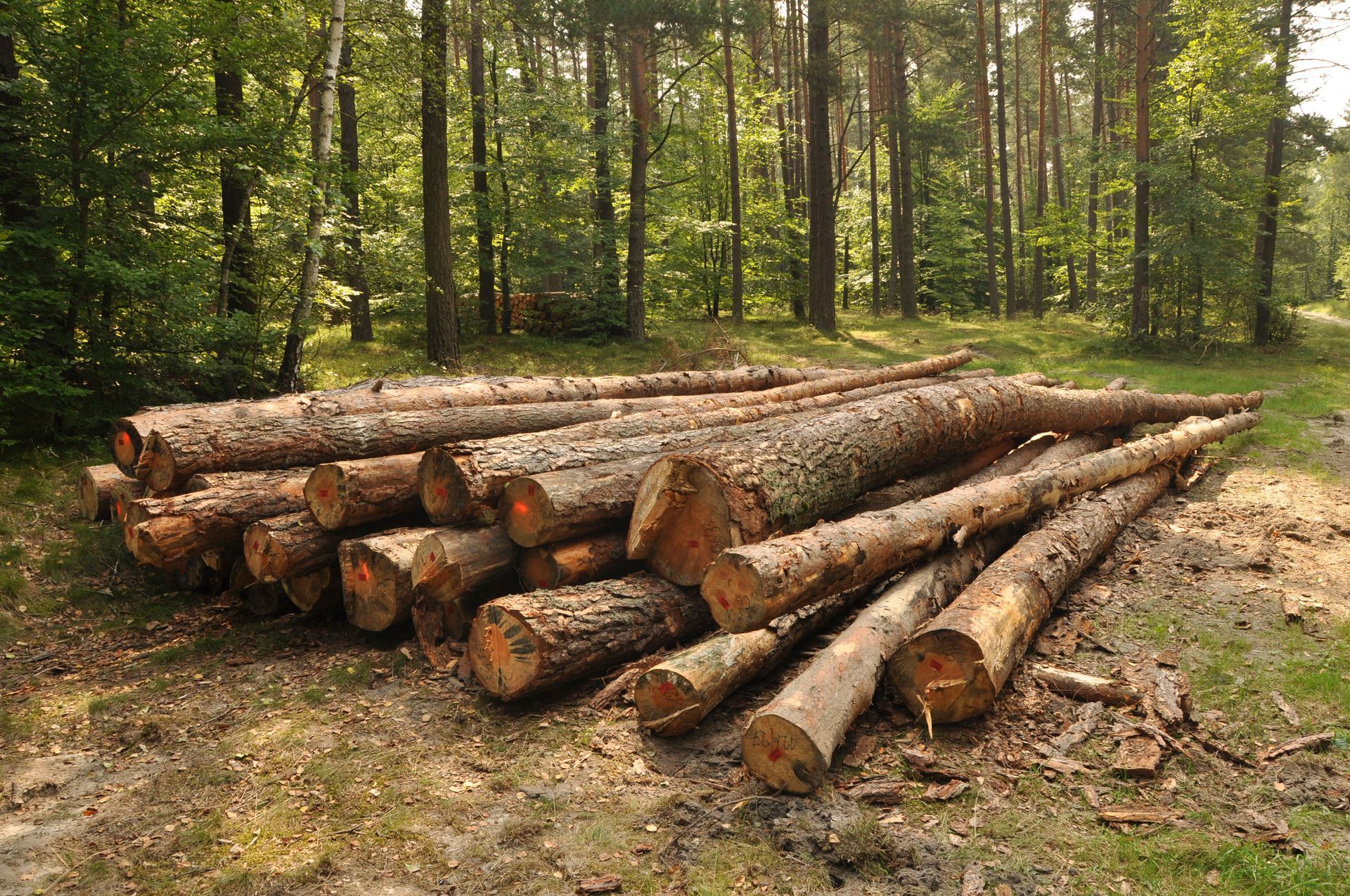
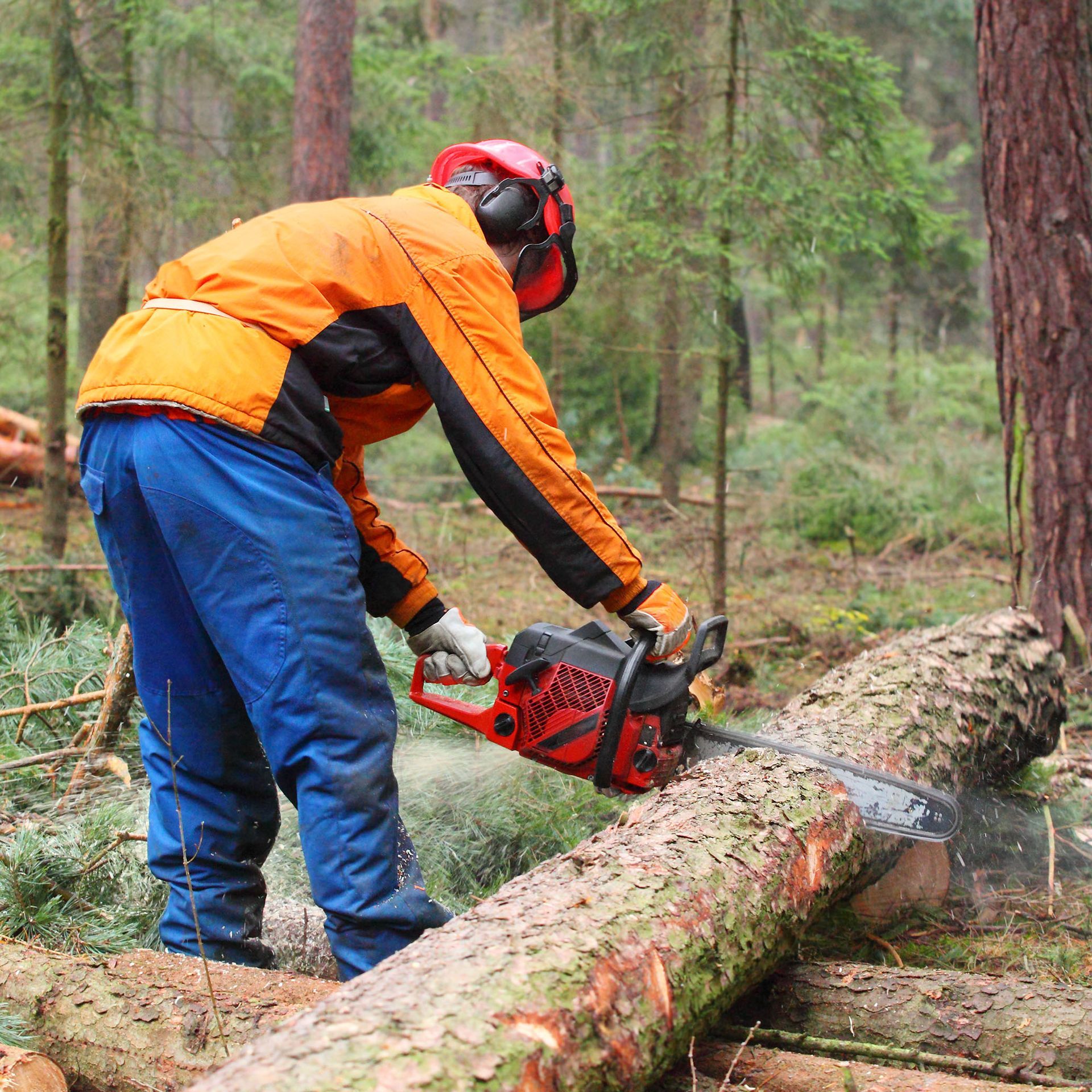
Determining when to execute tree logging requires a deep understanding of seasonal dynamics, forest health, and land management goals. Whether you want to clear a standing parcel or selective harvest mature timber, timing your harvest correctly preserves topsoil, protects surrounding vegetation, and maximizes total timber value. Environmental conditions fluctuate dramatically throughout the year, meaning that selecting the right month directly impacts the overall ecological and financial success of your harvest. At Thornton Logging, we bring over 11 years of experience to every property, ensuring your land is harvested using sustainable, forward-thinking methods. Our team continuously monitors the latest forestry research and integrates these insights into our strategic planning for optimum results.
Evaluate Winter Ground Conditions
Winter is widely regarded by industry experts as the ideal time for tree logging operations across North America. Cold weather freezes the ground, which creates a stable foundation capable of supporting heavy harvesting equipment without causing severe soil compaction or deep rutting. This frozen barrier protects vulnerable root systems of the remaining trees and drastically minimizes topsoil erosion. Additionally, during the winter months, trees enter a dormant state where sap flow drops significantly, resulting in lighter, drier wood that is easier to handle and transport. The efficiency gained by easier handling can also lead to quicker project completion times during winter harvesting operations.
Assess Spring Soil Moisture
Spring presents unique challenges for tree logging due to heavy rain and thawing ground conditions. Saturated soils are highly susceptible to rutting, which can disrupt natural drainage patterns and lead to long-term erosion issues across your property. Because sap rises rapidly during the spring to support new leaf growth, harvested timber also carries a higher moisture content, making transportation heavier and handling more complex. Utilizing equipment designed for minimal soil disturbance can mitigate some of the challenges presented by spring conditions. Additionally, careful scheduling of operations to avoid peak wet periods can further reduce soil compaction risks.
Monitor Summer Harvest Opportunities
Summer provides dry ground conditions that allow tree logging equipment to navigate dense forest terrain with ease. Dry soil reduces the risk of deep ground rutting, making access to remote timber stands far more efficient. However, summer harvesting requires strict attention to weather patterns, as prolonged dry spells increase forest fire risks caused by hot machinery components. Furthermore, summer coincides with the primary nesting and breeding seasons for local wildlife. Implementing proper buffer zones and working around sensitive habitats ensures that summer operations protect regional biodiversity while maintaining high timber productivity. Using advanced technology to monitor weather conditions and mitigate fire risks is essential during summer harvesting activities. Engaging in community outreach can also foster local support and awareness for responsible summer harvesting practices.
Analyze Autumn Operational Windows
Autumn offers an exceptional, balanced window of opportunity for tree logging projects before winter weather sets in. As cooling temperatures cause trees to shed their leaves and transition into dormancy, sap levels naturally drop, optimizing timber quality. Soil conditions in early to mid-autumn remain relatively dry and firm, providing good traction for machinery while minimizing environmental disruption. Harvesting during this season allows landowners to clear mature growth, clear underbrush, and prepare the forest floor for robust regeneration during the following spring. This season's conditions are ideal for meticulously planning regeneration strategies for enhanced forest sustainability. Collaborating with forestry experts during this period can yield insights into cutting-edge sustainability techniques.
Understand Regional Forest Coverage
According to Global Forest Watch, the United States maintained 220 million hectares of natural forest, extending over 24% of its land area in 2020. Managing these vast resources responsibly requires specialized knowledge of regional ecosystems, species composition, and seasonal weather patterns. Proper timing helps prevent over-harvesting, protects local watersheds, and keeps regional forests healthy for generations. Landowners who schedule their harvests strategically can maintain thriving ecosystems while continuously capturing the maximum market value for their standing timber. Developing specific management plans for different forest regions can optimize conservation efforts. Incorporating community involvement into these plans can strengthen forest stewardship efforts.
Promote Long-Term Forest Health
Performing tree logging at the correct time directly promotes timber health across your entire stand. Selectively removing overcrowded, overmature, or diseased trees opens the forest canopy, allowing sunlight, moisture, and vital ground nutrients to reach younger trees. This controlled thinning process accelerates growth rates among remaining timber, creating a stronger, more resilient forest stand over time. Harvesting now allows you to cut timber in the future, establishing a continuous cycle of growth and selective harvests that keeps your woodland productive for decades. Implementing adaptive management strategies can further enhance growth sustainability. Partnering with ecological researchers can lead to innovative practices that boost overall forest vitality.
Enhance Wildlife Habitat Quality
Strategic tree logging plays a vital role in creating dynamic, biodiverse habitats for local game and non-game wildlife. Opening dense canopy spaces allows brush, native grasses, and young saplings to flourish on the forest floor, creating essential forage and bedding cover for white-tailed deer, wild turkey, and small mammals. Leaving select den trees and creating brush piles of residual limbs provides critical shelter. By carefully scheduling timber removal, landowners can dramatically improve habitat for wildlife while maintaining a healthy, growing investment. Incorporating habitat corridors can connect fragmented areas, enhancing wildlife movement and genetic diversity. Regular monitoring of these habitats ensures they continue to meet the evolving needs of the wildlife.
Utilize Professional Timber Appraisals
Accurately timing your timber harvest requires a thorough timber appraisal to determine the true volume, quality, and market value of your standing trees. Professional appraisals evaluate species composition, trunk diameter, and wood clarity to establish precise pricing before any equipment enters your land. Having an accurate assessment prevents selling mature timber prematurely or letting overmature trees decline in value due to rot. Utilizing detailed evaluations ensures you secure competitive pricing and harvest your timber when market demand and tree maturity perfectly align. This precision in evaluation supports strategic planning for future timber sales. Accurate appraisals also help in optimizing long-term forest management strategies.
Partner With Certified Specialists
Partnering with licensed, certified, and insured specialists guarantees that your land is harvested safely and in full compliance with environmental regulations. Experienced timber buying experts evaluate market trends alongside seasonal ground conditions to help landowners choose the optimal operational window. Working with seasoned contractors ensures that environmentally responsible harvesting practices are implemented, protecting stream banks, soil integrity, and standing timber value. Expert guidance removes the stress of timber management, giving landowners complete peace of mind throughout the harvesting process. Partnering with professionals can also provide access to eco-friendly technologies for sustainable harvesting. This collaboration fosters a sustainable relationship between landowners and the environment, promoting ecological balance.
Choosing the ideal season for
tree logging is essential for protecting your soil, enhancing forest health, and maximizing the financial return on your standing timber. Whether you need selective timber management, professional timber appraisal, or complete logging services in Charleston, IL, or throughout Cumberland County, IL, our team delivers expert solutions tailored to your land. We provide local knowledge and reliable relationships, environmentally responsible harvesting, and a quick turnaround on free estimates to ensure your property thrives for generations. Contact Thornton Logging today to discuss your timber goals and receive your free project estimate. Our commitment to sustainable forestry solutions reflects our dedication to preserving the environment for future generations.