July 6, 2026
The global market for natural building materials, such as timber, experiences dynamic shifts as sustainable engineering and architectural design principles continue to advance rapidly. Choosing the appropriate wood variety remains a foundational decision that directly affects the structural durability, visual appearance, and long-term performance of finished projects. Commercial builders and independent craftsmen alike must navigate a massive spectrum of botanical species to match the right material to their specific functional requirements. While some varieties of timber possess immense density suited for heavy-weight distribution, others offer exquisite grain configurations that elevate high-end interior spaces. Understanding the fundamental distinctions between structural softwoods and dense hardwoods allows project managers to minimize material waste and optimize construction budgets. Furthermore, proper selection of timber ensures that the chosen material responds predictably to environmental factors like relative humidity, moisture, and temperature fluctuations. The modern lumber supply chain provides unprecedented access to diverse species harvested from responsibly managed forests across the continent. Ultimately, mastering the unique characteristics of different wood types elevates the craftsmanship and structural integrity of any physical development.
Categorizing Structural Softwoods for Heavy Construction
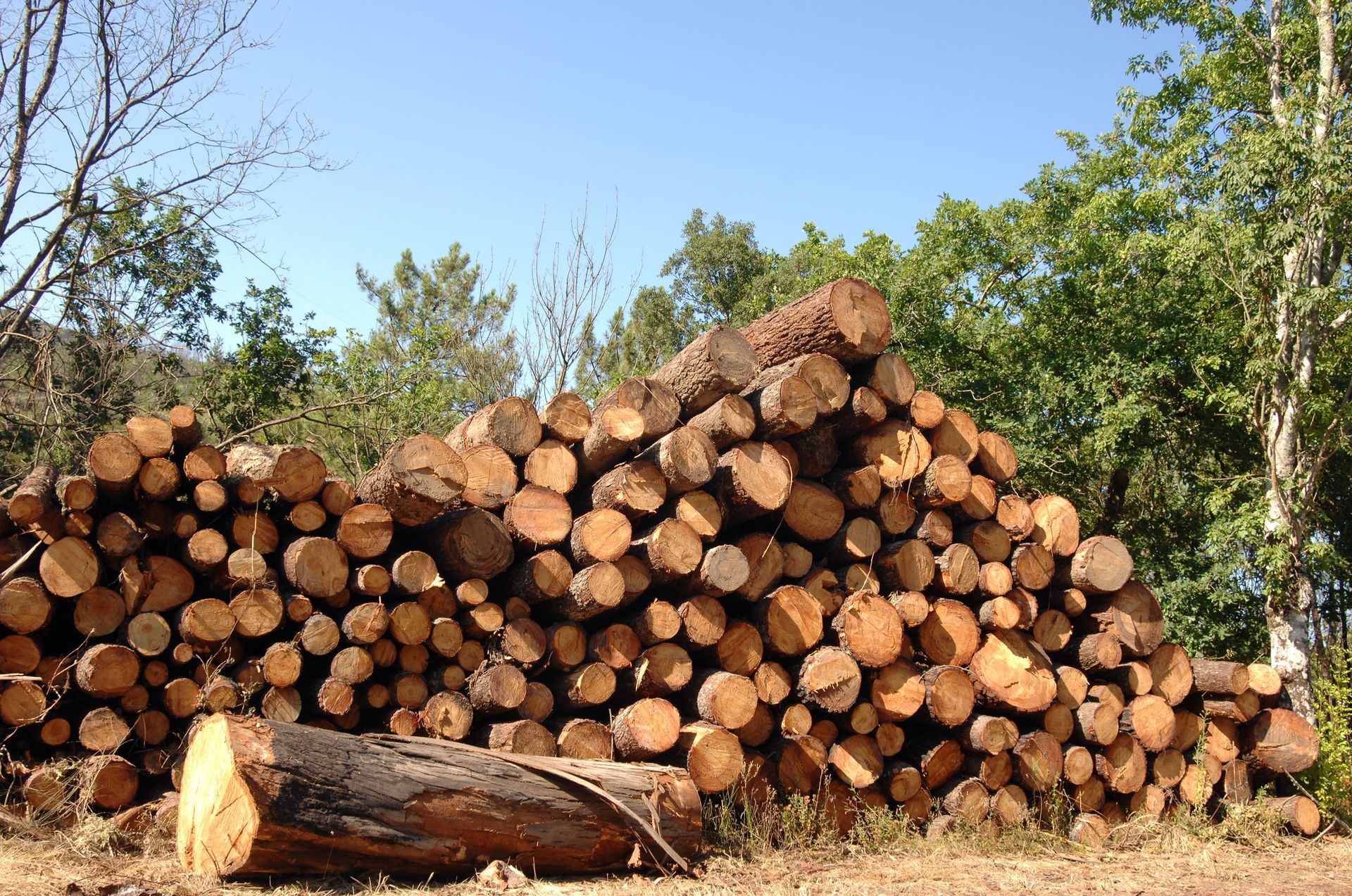
Softwoods derived from coniferous trees represent the primary backbone of the residential framework and commercial building industries worldwide. According to industry tracking data compiled by ResourceWise, approximately 439 million cubic meters of roundwood is harvested annually from both public and private American timberlands to manufacture various industrial products. This massive volume highlights the continuous reliance on coniferous plantations to sustain the modern infrastructure and housing markets efficiently. Standard structural applications depend heavily on species like Douglas fir and Southern yellow pine because of their superior strength-to-weight ratios. Processing this raw material correctly ensures that the foundational skeletons of buildings remain stable and resilient against severe environmental pressures.
Evaluating Durable Hardwoods for Heavy Construction
Heavy-duty engineering projects often demand structural elements that far exceed the natural load-bearing capabilities of standard coniferous materials. In these demanding scenarios, specialized dense hardwoods are selected to provide maximum structural resistance against extreme physical compression and environmental wear. Species such as white oak and legal tropical hardwoods are frequently specified for exterior bridges, marine decking, and industrial railway ties. Architects frequently choose these premium materials for exposed architectural timbers where both immense strength and natural aesthetics are desired simultaneously. Utilizing these robust natural resources guarantees that critical public infrastructure remains safe and functional for multiple generations.
Selecting Resilient Substrates for Commercial Flooring
Flooring installations require materials that can successfully endure continuous foot traffic, heavy furniture impact, and abrasive surface friction daily. Homeowners and commercial property managers consistently prioritize durability alongside visual warmth when selecting their interior surface materials. Hardwoods like sugar maple and red oak remain the gold standard for high-traffic zones due to their impressive surface hardness ratings. Property owners also appreciate the ability to sand down and refinish these solid surfaces multiple times over several decades. Choosing the correct surface material transforms ordinary floors into highly durable assets that enhance the overall value of the property.
Customizing Softwood Varieties for Interior Flooring
While dense hardwoods dominate the mainstream flooring market, specific interior designs benefit immensely from the unique character of select softwoods. Heart pine and eastern white pine are frequently utilized to create rustic, traditional, or historic visual aesthetics within residential spaces. These alternative choices present a warmer, more inviting underfoot feel and develop a rich, deeply personal patina as they age over time. Properly conditioned softwoods can perform exceptionally well in low-traffic areas like bedrooms, private home offices, and upper-level reading lofts. Selecting these traditional options allows property owners to celebrate the natural imperfections and historical charm of natural materials.
Crafting Fine Furniture with Premium Hardwoods
The creation of heirloom furniture pieces demands raw materials that offer exceptional dimensional stability, workable grain structures, and striking visual appeal. Black walnut, cherry, and white oak are universally revered by master woodworkers for their superior carving, shaping, and joining characteristics. These premium species do not warp or distort excessively after the initial kiln-drying process is completed successfully. Complex joinery techniques like mortise-and-tenon or interlocking dovetails hold perfectly tight within these stable fiber matrices over long periods. Investing in high-grade furniture stock ensures that the finished product transitions seamlessly from a functional asset into a timeless family heirloom.
Utilizing Utility Softwoods for Casual Furniture
Casual, utilitarian, and outdoor furniture lines frequently rely on versatile softwoods to deliver affordable, lightweight, and weather-resistant consumer products. Western red cedar and coast redwood are highly prized for outdoor patio collections due to their natural protective oils and resins. For interior casual pieces, clean knotty pine remains a highly popular choice for crafting bookshelves, country tables, and children’s bedroom sets. These cost-effective materials allow families to enjoy the genuine warmth of natural wood furnishings without breaking their household budgets. Balancing affordability with smart design enables the production of highly functional furniture pieces for every room.
Analyzing Global Market Trends for Structural Timber
The international trade and processing of commercial structural Timber face evolving regulatory landscapes, shifting supply chains, and fluctuating economic conditions globally. Sustainable forestry certifications have become mandatory baselines for major architectural firms and corporate developers seeking to minimize their carbon footprints. As urban centers expand, the demand for advanced engineered Timber products like cross-laminated panels and glued-laminated beams rises exponentially. This highly efficient industrial processing helps stabilize material costs for contractors facing volatile commodity markets throughout the fiscal year. Staying informed on these macro market shifts allows construction companies to secure dependable material pipelines for upcoming projects.
Advancing Millwork Precision in Modern Facilities
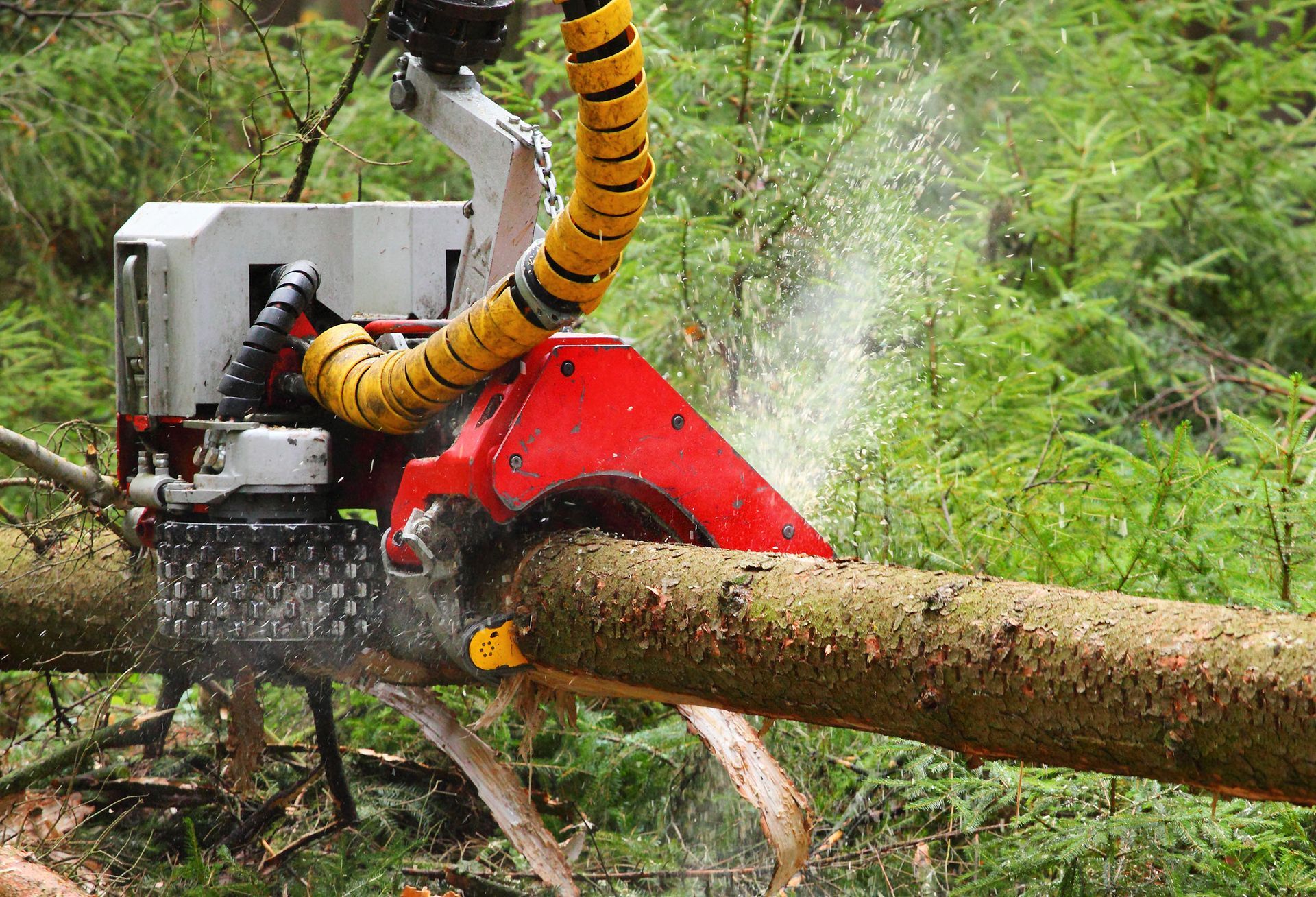
The transformation of raw logs into highly precise architectural components requires a seamless combination of heavy industrial machinery and digital oversight. Modern sawmills employ laser guidance systems that analyze the internal structure of logs to determine the most profitable cutting patterns instantly. Proper seasoning is absolutely critical because improperly dried boards will twist, cup, or bow maliciously after being installed on jobsites. Quality control technicians inspect each individual piece for structural defects, grading them according to strict industry engineering standards. This rigorous manufacturing process guarantees that every delivered shipment performs flawlessly under real-world building conditions.
Practicing Environmental Stewardship in Commercial Forests
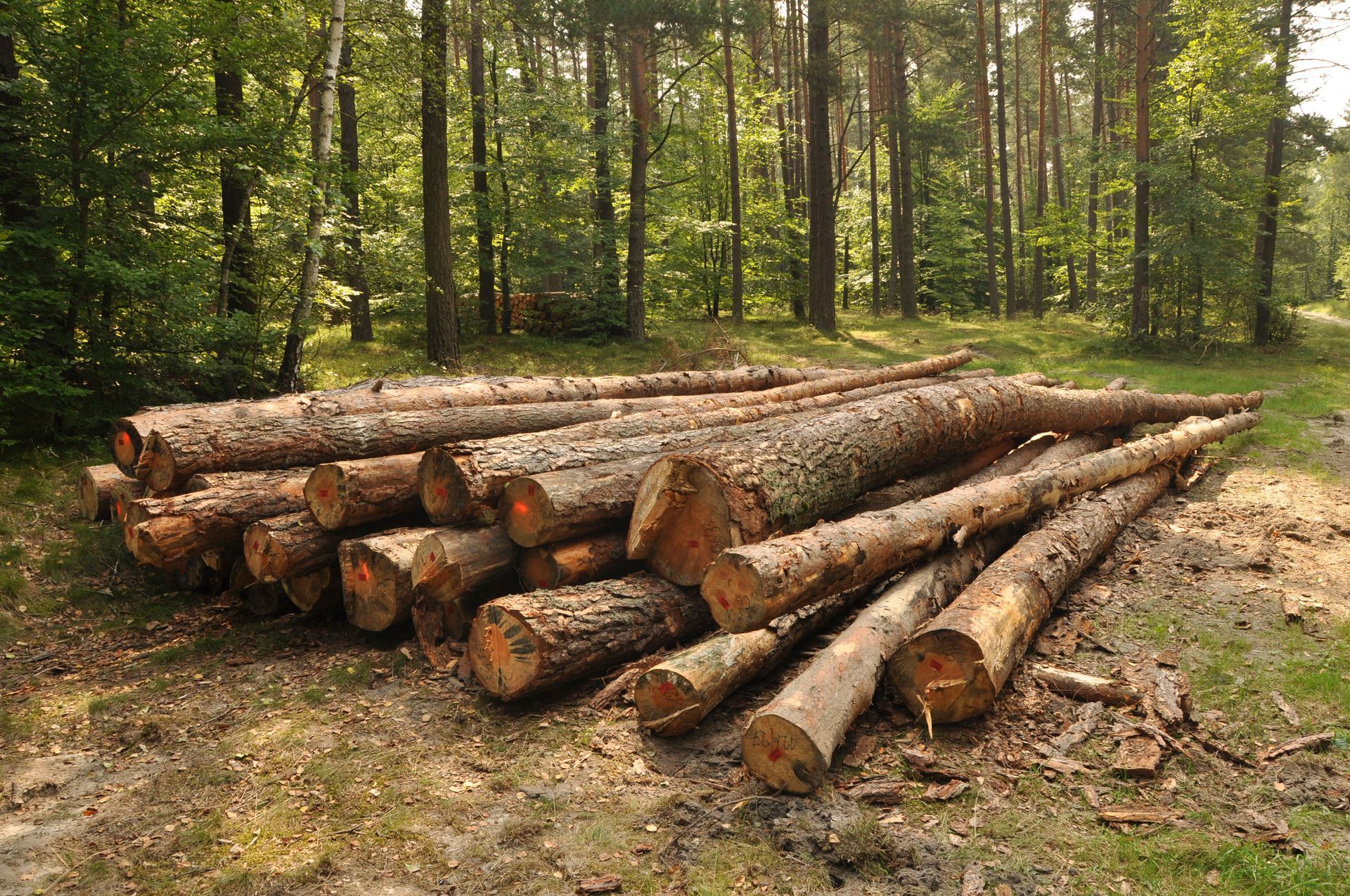
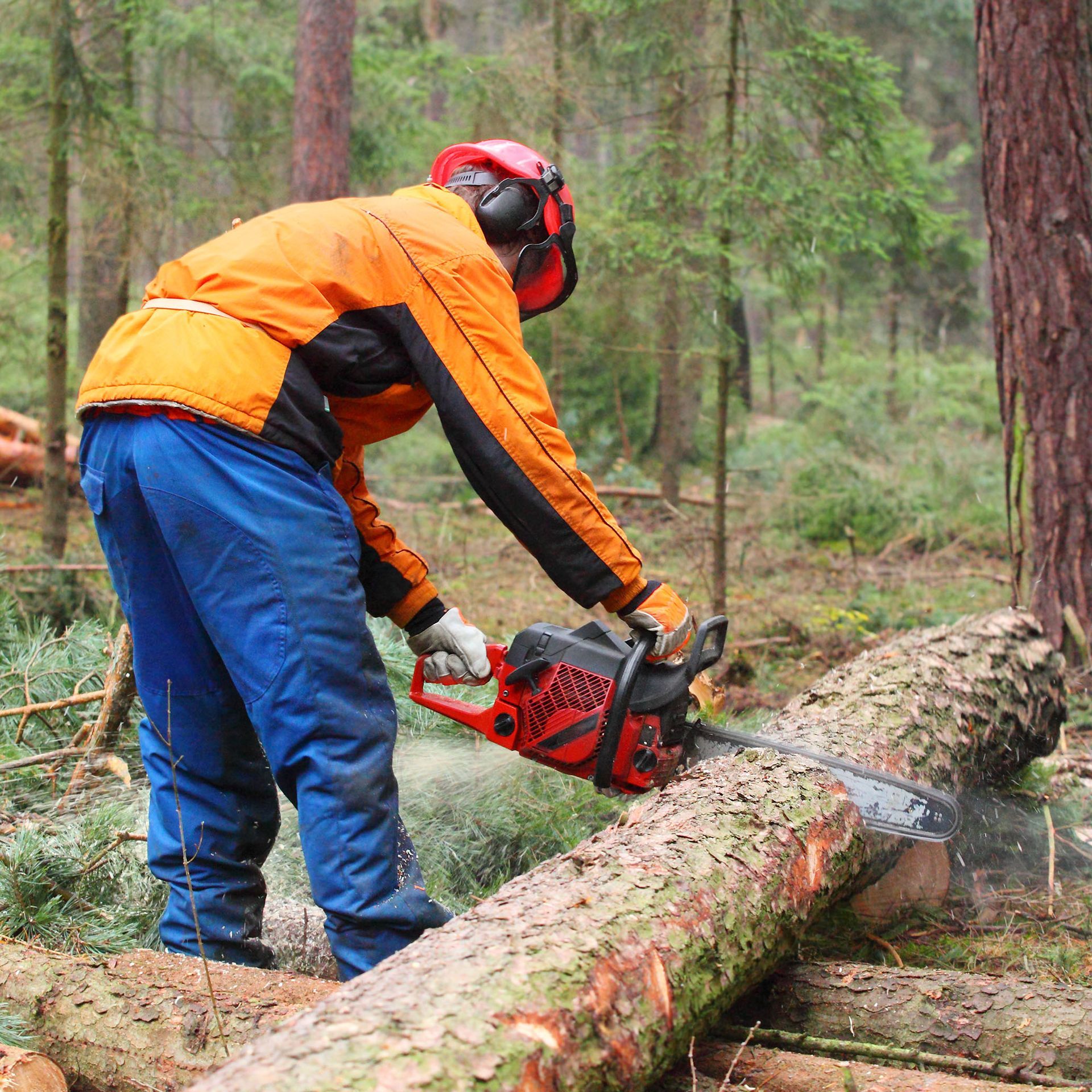
Long-term survival of the wood products sector depends entirely on the disciplined application of scientific silviculture and environmental preservation principles. Responsible forest managers carefully plan harvest cycles to ensure that the volume of extracted material never surpasses natural regeneration rates. Selective cutting methods are prioritized over historic clear-cutting techniques to keep the surrounding woodland ecosystem fully functional and biodiverse. This closed-loop approach minimizes environmental waste while reducing the overall carbon footprint of the industrial manufacturing process. Protecting the foundational natural resource guarantees that future generations will inherit healthy, productive, and highly resilient forest ecosystems.
Finalizing Your Project Material Decisions
Selecting the ultimate timber variety requires a comprehensive assessment of your specific environment, budget limitations, and long-term performance expectations. Consulting with experienced forestry professionals and structural engineers helps clarify which species will deliver the best results for your unique application. High-grade materials resist premature wear, reduce ongoing maintenance costs, and elevate the aesthetic profile of any finished design space. Every building project represents an investment in the future, and the choices made today determine how that investment will endure. Thornton Logging remains dedicated to providing premium, responsibly harvested forest products that meet the highest standards of structural integrity and environmental care. Contact Thornton Logging today to discuss your next construction or design project and discover how our team can supply the perfect natural materials for your specific building needs.